
.png)















Lead-Acid vs. Lithium Batteries for Electric Wheelchairs: Which Is Right for Your Clients?

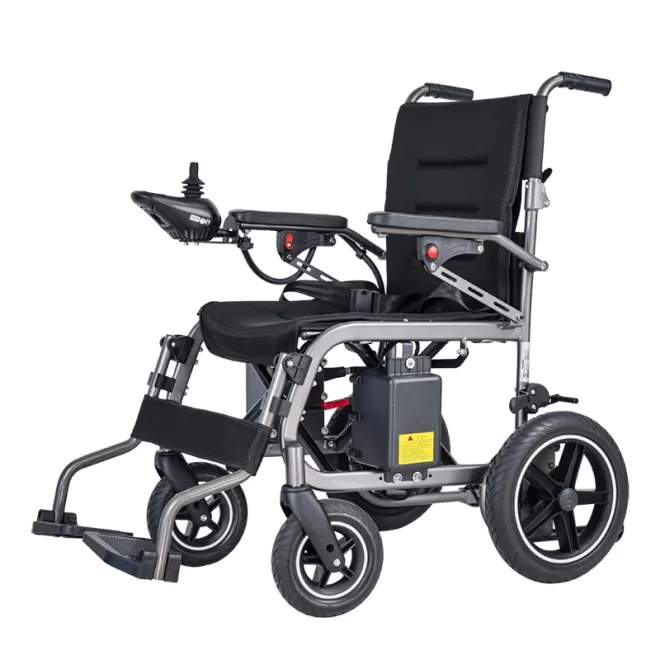
Table of Contents
If you’re a B2B buyer supplying electric wheelchairs to care facilities, retailers, or rehabilitation centers, you’ve likely fielded this request: “I only want lithium batteries—they’re better, right?”
It’s a frustrating scenario. Clients fixate on “lightweight” or “long-lasting” lithium batteries, ignoring whether the choice actually fits their end users’ lives. Worse, pushing lithium when it’s unnecessary can hike costs for your clients, lead to post-purchase regrets (like hard-to-replace non-standard batteries), or even introduce safety risks they didn’t anticipate.
The truth? There’s no “one-size-fits-all” battery for electric wheelchairs. And if you can’t guide clients to the right option, you’re not just losing trust—you’re missing out on repeat business.
Let’s start with the two biggest myths derailing your clients’ decisions:

- Myth 1: Lithium batteries are always “better” for electric wheelchairs. Many clients assume lithium’s lighter weight and longer lifespan make it the default. But for end users who don’t need to carry batteries (e.g., those with elevators, or wheelchairs kept in one location), lithium’s premium price is a waste.
- Myth 2: Lead-acid batteries are “unsafe” (and lithium is risk-free). Some clients avoid lead-acid over outdated fears of leaking —but modern sealed lead-acid batteries eliminate that risk. Meanwhile, lithium batteries do carry a small but real fire risk if damaged (a critical concern for care facilities).
To cut through the confusion, let’s break down the pros and cons of each battery type (tailored to B2B buyers’ end-user needs):
Lithium Batteries: When They Make Sense
- Pros: Lightweight (easy to carry for users who need to charge batteries upstairs), longer lifespan (2–3 years), and air-travel compliant (critical for clients who travel with wheelchairs).
- Cons: High upfront cost (pricier for your clients), non-standard sizes (hard to replace later), and slightly higher fire risk if misused.
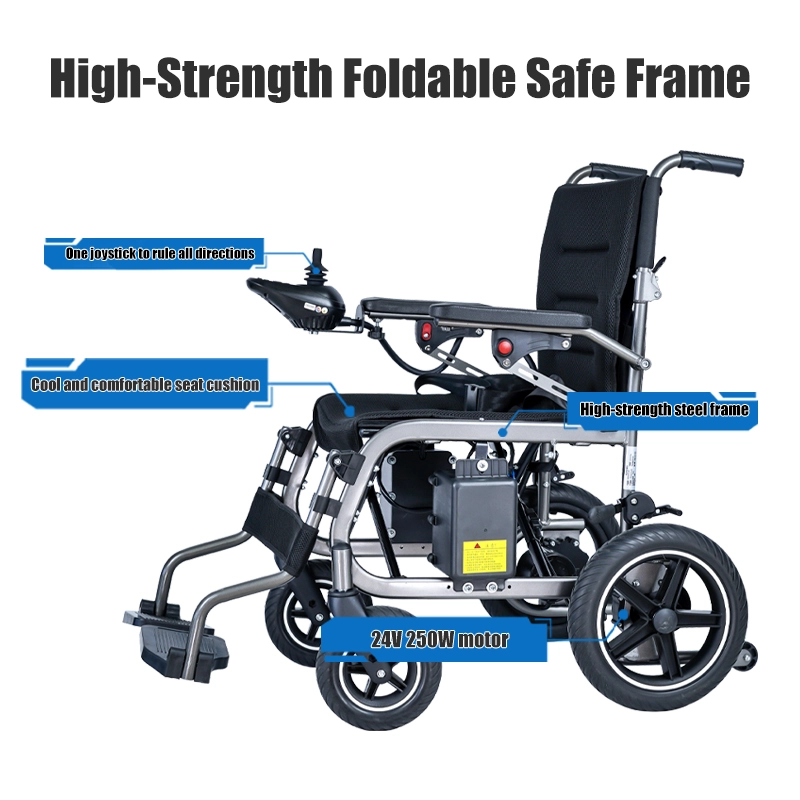
Lead-Acid Batteries: The Underrated Workhorse
- Pros: Low cost (more budget-friendly for bulk orders), standard sizes (easy to source replacements globally), and zero fire risk (ideal for care facilities prioritizing safety).
- Cons: Heavier (not ideal for users who need to carry batteries), shorter lifespan (1–2 years), and not air-travel compliant.
So how do you guide your clients to the right choice (and position your business as a trusted advisor)? Focus on their end users’ actual habits:
- Recommend lithium if: End users need to carry batteries (no elevator), travel by plane, or prioritize a lightweight wheelchair for car storage.
- Stick with lead-acid if: End users keep the wheelchair in one place (no battery carrying), need low-cost replacements, or are in care facilities where safety is non-negotiable.
The key? Don’t let clients fixate on “trendy” lithium—sell them the solution that fits their daily lives.
At Suqian Excellent Science And Technology Co.,Ltd, we understand B2B buyers need flexible, informed options. Established in 2018 (based in Suqian, Jiangsu), we specialize in manufacturing mobility devices (electric wheelchairs, scooters, stair climbers, patient lifts) for global markets (America, Europe, Japan, Australia, and more). Our products carry strict certifications (CE, SGS, ISO13485—with FDA testing underway), and our 10-year-experienced sales team can help you match clients to the right battery (and wheelchair) for their needs.
We also offer:
- Customization: Adjust battery types, designs, or branding to fit your clients’ requirements (our in-house engineers prototype quickly).
- Fast fulfillment: Small-batch or bulk orders—we keep stock ready for timely delivery.
- Post-sales support: Guidance on battery maintenance and replacement, so your clients (and their end users) stay satisfied.
Don’t let battery confusion cost you sales. By framing the choice around end-user needs (not just trends), you’ll build loyalty and stand out in the crowded mobility equipment market.


CONTACT US



Building A, Software park,Shuyang City,Suqian,Jiangsu, China
PHONE NUMBER
+86 18251009960
EMAIL ADDRESS
info@excellentwheelchairs.com