
.png)















Considering Vehicle Transportation During Manual Wheelchair Assessments

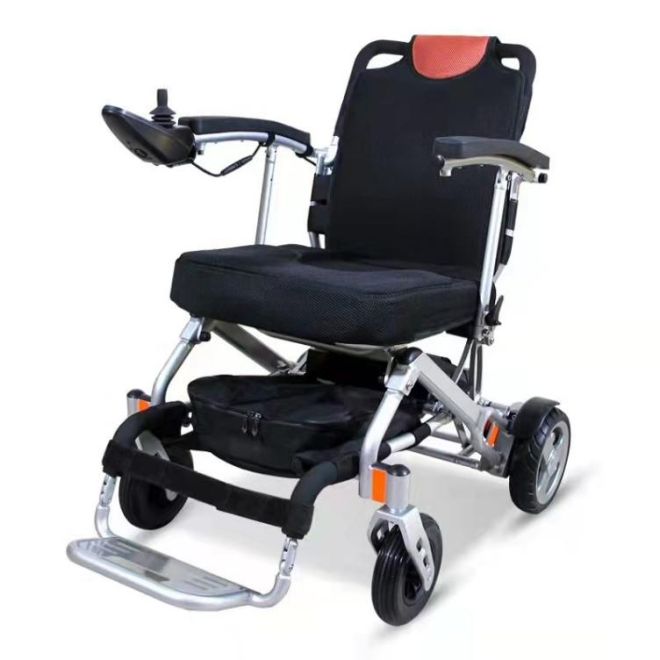
As therapists dedicated to improving the quality of life for people with mobility challenges, we understand the crucial role that wheelchairs play in fostering independence and mobility. We often consider home accessibility factors during manual wheelchair assessments. However, an aspect often overlooked when completing manual wheelchair assessments is the consideration of transportation and vehicle needs. Access to transportation is often fundamental to engage in social activities, attend appointments, and pursue education or employment opportunities. Hence, as therapists, it's imperative that we integrate an evaluation of transportation requirements into our assessments to ensure holistic support for our clients.
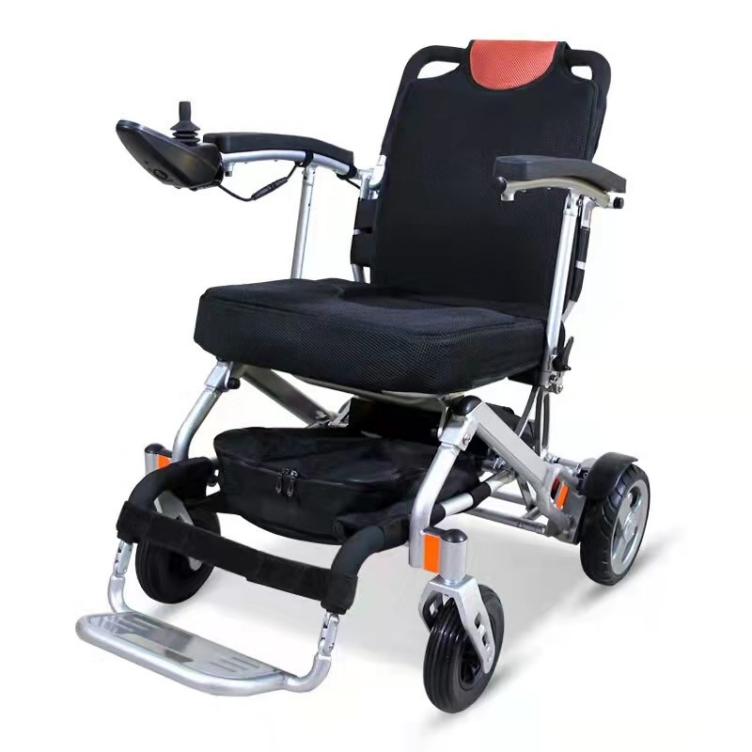
Community Transportation Is an Important Consideration
Recreation for wheelchair users: breaking barriers, building confidence
Transportation barriers can significantly impact an individual's ability to fully participate in the community and society. For wheelchair users, finding accessible transportation options can be challenging and sometimes impossible. The type, size, and configuration of the wheelchair can greatly affect the wheelchair user's ability to access the community in commercial, public, or personal vehicles. Ignoring these considerations during assessments can result in clients being limited in their mobility and independence, leading to decreased quality of life.
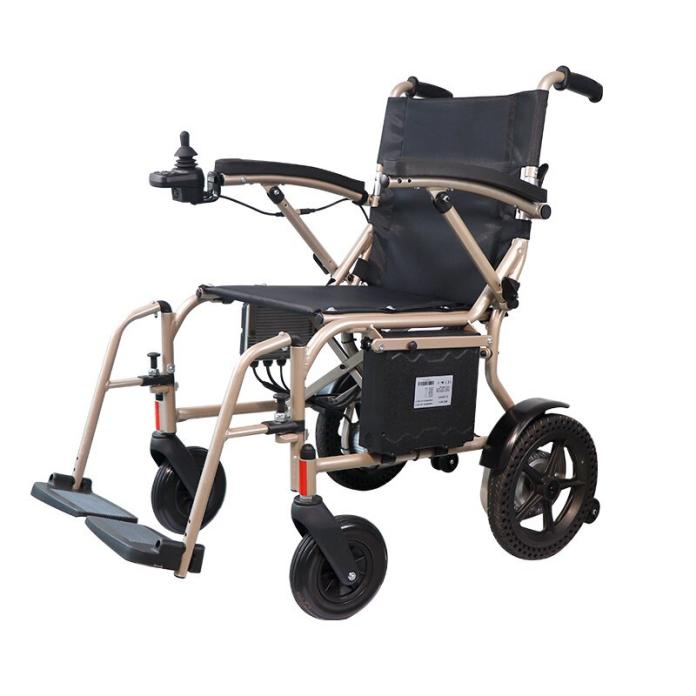
The client's lifestyle and community activities should be explored with them during the assessment process. Understanding their current or desired community activities will help tailor wheelchair configurations and options to suit their lifestyle. Exploring whether the client is a driver or a passenger, whether they will be independent or accompanied by an attendant, and whether they will be remaining in their seating system or transferring to a manufacturer-installed vehicle seat, are all extremely important.
or individuals who will be accompanied by an attendant or caregiver and can transfer to an existing vehicle seat, loading and unloading the wheelchair may be completed by the caregiver. Those who are unable to transfer from their wheelchair must remain in their seating system in the vehicle. In this case, it is important that the individual is safely secured in the wheelchair, facing forward, and that the wheelchair itself is properly secured. If the prescribing therapist is aware that their client will be transported while seated in their wheelchair, due diligence should be completed to ensure a crash-tested wheelchair and seating system are chosen for safe travel. Most wheelchairs have visible tie-down brackets for use in vehicles, but be aware that these brackets may be intended for unoccupied wheelchair securement and may not necessarily be safe for occupied transit. It is extremely important to know the difference to ensure safety for your client.
We know that people who remain seated in their wheelchairs while traveling in vehicles are 45 times more likely to be injured in a crash than the typical passenger (RERCWTS, 2008). These individuals are at risk not only to injuries related to crashes, but also non-collision events such as sudden braking, sharp turning, securement failure, or falling out of the wheelchair. The combination of a crash-tested wheelchair with a crash-tested seating system secured with an approved wheelchair tie-down and occupant restraint system (WTORS), is indicated to obtain the best possible performance when in a transit condition (RERCWTS, 2010).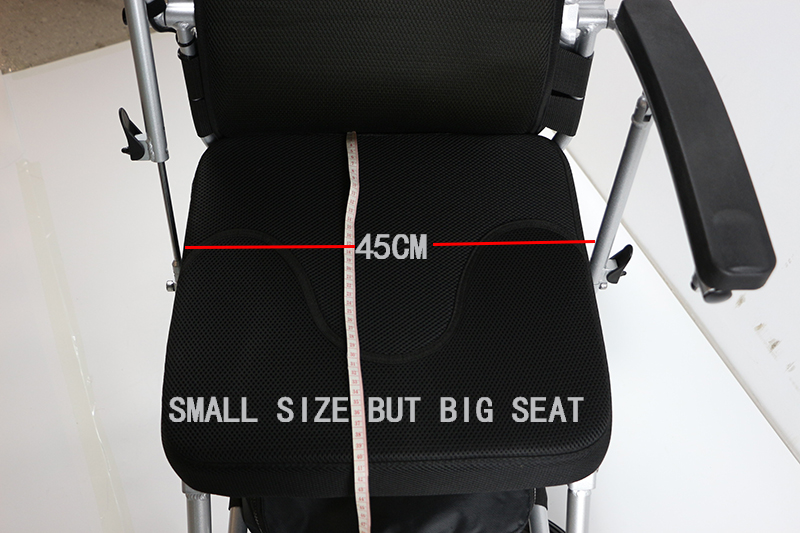
In the case of independent drivers, the client's method of transfer and ability to lift and stow the wheelchair must be considered. Considerations for how a wheelchair folds will be important, as it may impact the client's ability to load and unload the wheelchair independently. In the case of manual folding wheelchairs, the wheelchair can be loaded into the rear footwell behind the driver. Many independent drivers use the over-the-body method of loading their wheelchairs to place them on the front passenger seat. This is usually done with rigid frame wheelchairs.



Building A, Software park,Shuyang City,Suqian,Jiangsu, China

