
.png)
















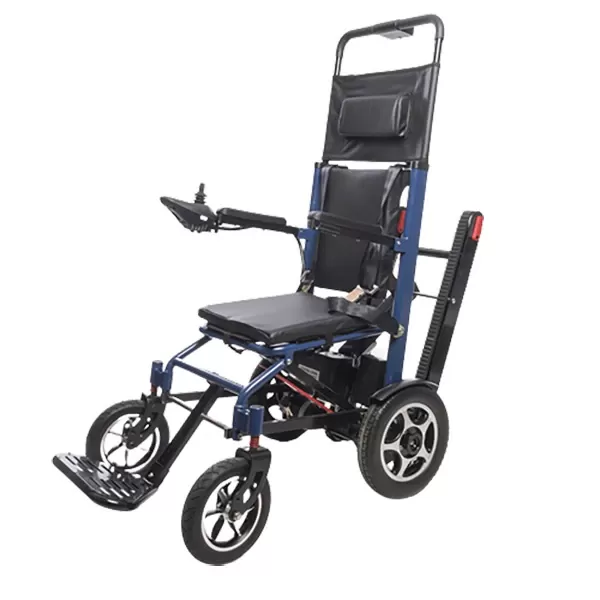
Table of Contents
- Introduction to Stair Climbers for Disability
- Types of Stair Climbers and Stairlifts
- Benefits of Using Stair Climbers
- Key Features of Modern Stair Climbers
- Comparing Stair Climbers and Domestic Elevators
- Choosing the Right Stair Climber for Your Needs
- Installation Process and Requirements
- Maintenance and Care for Stair Climbers
- Future Trends in Stair Climber Technology
- Excellent: A Leader in Rehabilitation Therapy Supplies
Introduction to Stair Climbers for Disability
Stair climbers for disability represent a significant advancement in promoting autonomy and safety for individuals with mobility challenges. These devices provide an essential solution for overcoming one of the most common architectural barriers—stairs. Whether installed permanently in homes or available in portable formats for multiple staircases, stair climbers are indispensable for enhancing accessibility. This comprehensive guide aims to explore the various facets of stair climbers, delving into types, benefits, features, and considerations for choosing the right model for personal needs.
Types of Stair Climbers and Stairlifts
● Mechanical Versus Powered Models
Stair climbers are broadly categorized into mechanical and powered models. Mechanical stair climbers often require manual operation or assistance, whereas powered models are equipped with electric motors to facilitate smoother and more efficient movement. Both types offer unique advantages and disadvantages, largely based on the user's specific requirements and the environmental context.
● Temporary Versus Permanent Installations
Choosing between temporary and permanent installations depends on the user's lifestyle and environment. Temporary stair climbers, such as portable models, are ideal for homes with non-permanent needs or where modifications are not feasible. On the other hand, permanent solutions like stairlifts provide a steady and reliable option for consistent use in a single location, offering greater stability and support.
Benefits of Using Stair Climbers
● Improved Accessibility and Independence
handicapped stair climbers significantly improve accessibility, allowing users to navigate stairs without requiring direct physical assistance from others. This independence is crucial for enhancing quality of life, enabling users to perform daily activities with greater ease and dignity.
● Safety Features and User Comfort
Safety and comfort are paramount in the design of stair climbers. Many models come equipped with harnesses, anti-slip surfaces, and emergency stop features to ensure maximum safety during use. Comfort features, including adjustable seating and intuitive controls, make these devices user-friendly and suitable for a range of mobility needs.
Key Features of Modern Stair Climbers
● Controls and User Interface
Modern stair climbers boast advanced controls and user interfaces designed for simplicity and ease of use. Features such as remote control operation, digital displays, and voice command capabilities enhance usability, especially for individuals with limited hand dexterity or visual impairments.
● Safety Mechanisms and Construction
Safety is a primary concern for stair climber manufacturers. Robust construction materials ensure durability and stability, while features like battery backups, speed regulation, and obstacle detection systems provide additional layers of safety during operation.
Comparing Stair Climbers and Domestic Elevators
● Cost Effectiveness and Installation Requirements
While both stair climbers and domestic elevators serve the same primary function—assisting individuals with limited mobility—they differ significantly in terms of cost and installation. Stair climbers, especially portable models, are generally less expensive and require minimal structural alteration, making them a cost-effective solution compared to elevators, which involve substantial installation efforts and higher initial costs.
● Suitability for Different Home Designs
Stair climbers offer versatility and adaptability, fitting various staircase designs and home layouts. Unlike elevators, which demand significant space and structural changes, stair climbers can be adapted to curved, straight, or spiral staircases without compromising on aesthetics or functionality.
Choosing the Right Stair Climber for Your Needs
● Factors to Consider: Stair Type, User Mobility
Selecting the appropriate stair climber involves considering several key factors, including the type of stairs, the user's mobility level, and budget constraints. Consulting with a handicapped stair climber supplier or expert ensures that the selected model meets specific needs and provides optimal functionality.
● Professional Assessments and Recommendations
Engaging professionals for assessments and recommendations can significantly aid in choosing the right stair climber. They can offer insights into the latest models, the most suitable features, and the best options available from handicapped stair climber manufacturers, ensuring an informed decision-making process.
Installation Process and Requirements
● Professional Installation Steps
Professional installation of stair climbers guarantees safety and ensures that the equipment functions optimally. The process generally involves a detailed assessment of the staircase, customization of the climber to fit specific needs, and comprehensive testing to ensure safety and ease of use.
● Space and Structural Considerations
Even portable stair climbers require specific space and structural considerations during installation. Ensuring adequate space for the climber to operate without obstruction is crucial, and any alterations to the staircase must comply with safety standards to protect both the user and the equipment.
Maintenance and Care for Stair Climbers
● Regular Servicing and Checks
Regular maintenance and servicing of stair climbers are vital to ensure longevity and safety. Engaging in routine checks by trained professionals can prevent potential issues, ensuring the device remains in peak condition and safe for daily use.
● Troubleshooting Common Issues
Common issues with stair climbers can include battery failures, mechanical malfunctions, or software glitches. Understanding these problems and having access to professional support from a reliable handicapped stair climber manufacturer can help address issues promptly, minimizing downtime and inconvenience.
Future Trends in Stair Climber Technology
● Innovations in Design and Functionality
The future of stair climber technology lies in continuous innovations in design and functionality. Manufacturers are investing in research and development to produce more efficient, eco-friendly, and user-friendly models, enhancing both performance and accessibility.
● Impact of Technology on User Experience
As technology advances, the impact on user experience is profound. Enhanced connectivity features, such as smartphone integration and real-time monitoring, are on the horizon, promising even greater convenience and safety for users of stair climbers.
Excellent: A Leader in Rehabilitation Therapy Supplies
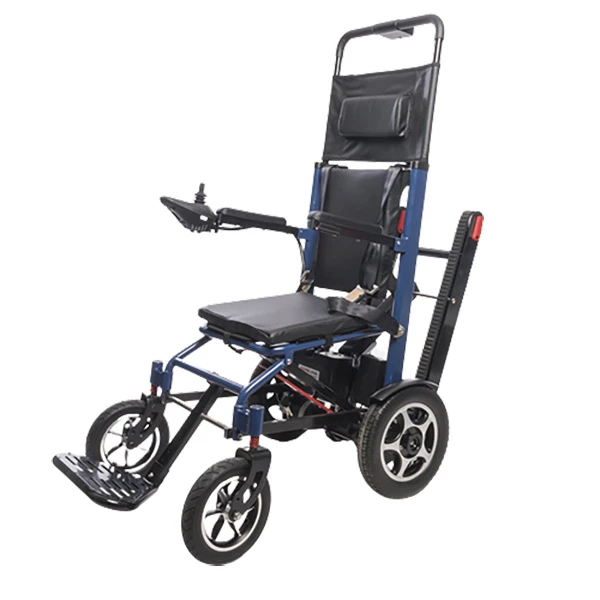
Suqian Excellent Science and Technology Co., Ltd is a distinguished manufacturer of rehabilitation therapy supplies located in Suqian City, Jiangsu Province. Known for their excellence in product quality and innovation, Excellent offers a wide range of mobility solutions, including stair climbing wheelchairs, patient lifts, and nursing beds. With a commitment to quality first and reputation first, Excellent provides personalized customer services and a robust after-sales support system, ensuring their products are well-received worldwide. Certified by CE, FDA, SGS, and other prestigious organizations, Excellent continues to lead in enhancing mobility and improving quality of life for users globally.


CONTACT US



Building A, Software park,Shuyang City,Suqian,Jiangsu, China
PHONE NUMBER
+86 18251009960
EMAIL ADDRESS
info@excellentwheelchairs.com