
.png)
















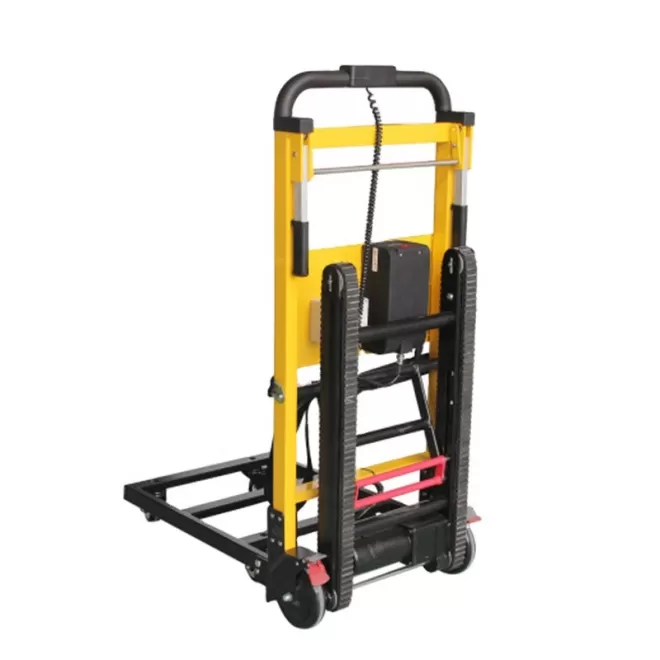
Table of Contents
- 1. Introduction to Stair Climbing Wheelchairs
- 2. How Stair Climbing Wheelchairs Work
- 3. Types of Stair Climbing Wheelchairs
- 4. Benefits of Stair Climbing Wheelchairs
- 5. Challenges and Limitations
- 6. Innovations in Stair Climbing Technology
- 7. User Experiences and Testimonials
- 8. Safety and Regulations
- 9. Cost and Accessibility
In the realm of assistive devices, wheelchairs have long been a vital tool for enhancing the mobility and independence of individuals with limited mobility. However, traditional wheelchairs often encounter challenges when faced with staircases. This limitation has sparked innovation in the development of stair climbing wheelchairs, which aim to provide users with unprecedented access and freedom of movement. This article delves into the world of stair climbing wheelchairs, exploring their functionality, benefits, challenges, and future prospects.
1. Introduction to Stair Climbing Wheelchairs
● Definition of Stair Climbing Wheelchairs
A stair climbing wheelchair is a specialized type of wheelchair designed to overcome the obstacle of stairs, thereby offering increased mobility and accessibility to users. Unlike conventional wheelchairs, these innovative devices incorporate advanced technology and engineering to allow for smooth and safe traversal of staircases.
● Importance for Accessibility and Mobility
For individuals relying on wheelchairs, encountering stairs can disrupt their ability to move freely in various settings—be it homes, offices, or public spaces. Stair climbing wheelchairs address this issue by enabling users to navigate stairs independently, thus significantly enhancing their quality of life and autonomy.
2. How Stair Climbing Wheelchairs Work
● Mechanism and Design Features
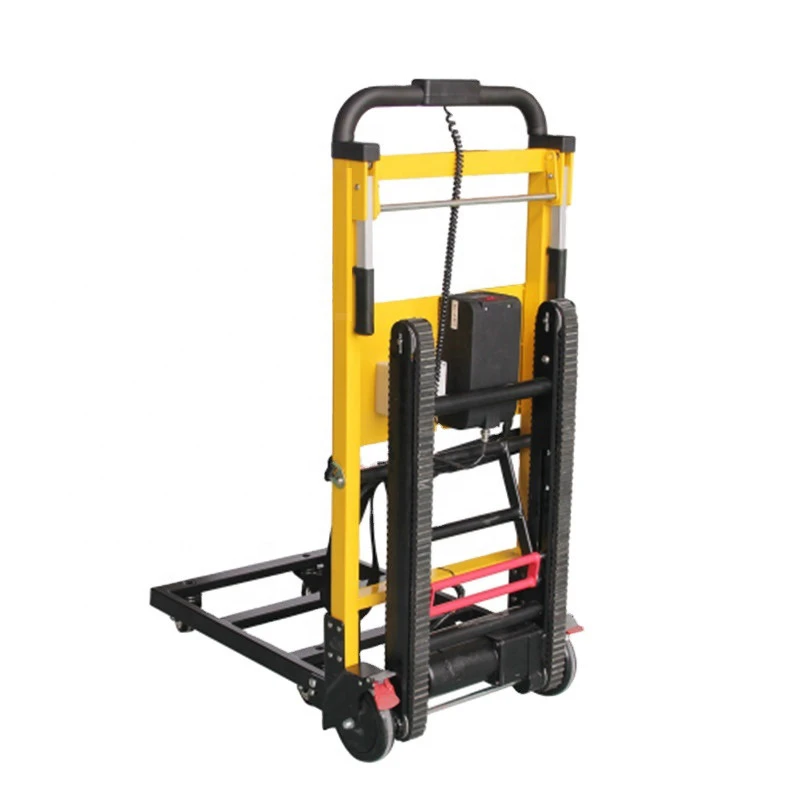
Stair climbing wheelchairs are engineered with unique mechanisms that facilitate their maneuverability on stairs. Typically, they are equipped with powerful motors, robust tracks, or advanced wheel systems that provide stability and traction when ascending or descending stairs. These features are complemented by sophisticated control systems that allow users to operate the wheelchair safely and efficiently.
● Role of the Drive Unit and Climbing Legs
The effectiveness of a stair climbing wheelchair largely hinges on its drive unit and climbing legs. The drive unit powers the wheelchair, while the climbing legs or tracks grip the stairs securely. This combination ensures a smooth transition between different levels, minimizing the effort required from users and enhancing safety during operation.
3. Types of Stair Climbing Wheelchairs
● Manual vs. Motorized Designs
Stair climbing wheelchairs are available in both manual and motorized designs. Manual models require the user or an assistant to exert physical effort to operate the climbing mechanism. In contrast, motorized versions use electric motors for propulsion, offering greater ease of use and independence to the user.
● Different Models and Their Features
Various models of stair climbing wheelchairs are available on the market, each offering a unique set of features. Some are designed for versatility, functioning effectively on different stair types, while others are tailored for specific settings, such as narrow staircases or outdoor environments. High-end models may include additional features like adjustable seat heights, customizable controls, and enhanced stability systems.
4. Benefits of Stair Climbing Wheelchairs
● Enhanced Mobility and Independence
The primary advantage of stair climbing wheelchairs is the enhanced mobility they offer. Users can navigate multi-level environments without assistance, gaining greater independence and freedom. This capability can be life-changing, transforming the user's ability to engage in social activities, work, and daily routines.
● Access to Previously Inaccessible Spaces
By overcoming the challenge of stairs, these wheelchairs open up spaces that were previously inaccessible. Users can visit friends and family in multi-story buildings, access public transportation services with stair challenges, and explore a wider range of recreational activities. This access can have profound implications for their social inclusion and mental well-being.
5. Challenges and Limitations
● Physical Limitations and Operational Constraints
Despite their advantages, stair climbing wheelchairs are not without limitations. They may have physical constraints, such as size and weight limits, which can restrict their use on certain types of stairs. Additionally, users may require a learning curve to operate these devices effectively and safely.
● Safety Concerns and User Experience
Safety is paramount when using stair climbing wheelchairs. Manufacturers must ensure that these devices are equipped with reliable safety features, such as automatic braking systems, secure harnesses, and stability controls. Users must be trained to operate them correctly to prevent accidents and maximize the user experience.
6. Innovations in Stair Climbing Technology
● Recent Technological Advancements
The field of stair climbing wheelchairs has witnessed significant technological advancements in recent years. Innovations include improved battery life, enhanced sensor systems for detecting stairs, and advanced materials that reduce the wheelchair's overall weight. These developments contribute to more efficient and user-friendly devices.
● Future Trends and Potential Improvements
Looking ahead, the future of stair climbing wheelchairs holds promise for further improvements. Researchers are exploring new materials, such as lightweight composites, and advanced robotics to enhance performance. Additionally, integrating artificial intelligence could lead to smarter wheelchairs that adapt to various environments more intuitively.
7. User Experiences and Testimonials
● Stories from Wheelchair Users
Many individuals who have transitioned to stair climbing wheelchairs share positive experiences, highlighting the newfound autonomy and accessibility they provide. Testimonials often emphasize the ability to navigate stairs independently and participate more fully in social and community activities.
● Impact on Daily Life and Activities
The impact of stair climbing wheelchairs on daily life is profound. Users report increased confidence in accessing public spaces, reduced reliance on caregivers for mobility, and a greater sense of control over their own lives. These benefits underscore the transformative potential of this technology.
8. Safety and Regulations
● Safety Standards and Certifications
To ensure user safety, stair climbing wheelchairs must adhere to stringent safety standards and regulations. Manufacturers are required to obtain certifications, such as CE and FDA approvals, which verify the product's compliance with safety and quality standards.
● Importance of Proper Use and Maintenance
Maintaining safety also depends on proper use and regular maintenance of the wheelchair. Users should follow manufacturer guidelines for operation and care, conducting routine checks to ensure all components are functioning correctly. This practice prolongs the wheelchair's lifespan and ensures consistent performance.
9. Cost and Accessibility
● Price Range and Affordability
The cost of stair climbing wheelchairs varies widely, with prices influenced by factors such as features, brand, and level of technology. While some models are affordable, others may represent a significant investment. It's important for potential buyers to consider their specific needs and explore financial assistance options if necessary.
● Availability and Insurance Coverage
While stair climbing wheelchairs are becoming more widely available, potential users should research their options for purchasing or leasing these devices. Some insurance plans may cover part or all of the cost, particularly if the wheelchair is deemed medically necessary. Consulting with healthcare providers and insurance companies can clarify eligibility for coverage.
● About Excellent
Suqian Excellent Science And Technology Co., Ltd is a leader in the manufacturing of rehabilitation therapy supplies, including stair climbing wheelchairs. Situated in Shuyang National Economic and Technological Development Zone, Suqian City, Jiangsu Province, the company lives up to its name, EXCELLENT, by delivering top-quality products that meet the diverse needs of its customers. With a comprehensive product range and personalized customization options, EXCELLENT ensures customer satisfaction across America, Europe, Japan, and beyond. Certified by international standards such as CE, FDA, and ISO9001, EXCELLENT upholds its commitment to quality, innovation, and exceptional service.


CONTACT US



Building A, Software park,Shuyang City,Suqian,Jiangsu, China
PHONE NUMBER
+86 18251009960
EMAIL ADDRESS
info@excellentwheelchairs.com