
.png)
















- ⚙️ Key cost components in stair lift motor bulk pricing
- 📦 Volume thresholds and how larger orders reduce motor unit costs
- 📈 Market factors influencing stair lift motor prices for bulk buyers
- 🧮 Calculating total project budgets for stair lift motor supply
- 🏅 Why Excellent offers stable pricing and reliable quality for bulk orders
- Conclusion
- Frequently Asked Questions about Stair lift motor
Buying stair lift motors in bulk can feel like solving a Rubik’s cube while the finance team watches—too many models, mystery markups, and quotes that change faster than elevator music.
This guide breaks down fair stair lift motor pricing, shows volume discounts, and explains cost drivers, backed by clear market data from Grand View Research.
⚙️ Key cost components in stair lift motor bulk pricing
Bulk stair lift motor prices depend on power rating, motor type, material quality, and safety features. Buyers who understand these elements can control long‑term cost and reliability.
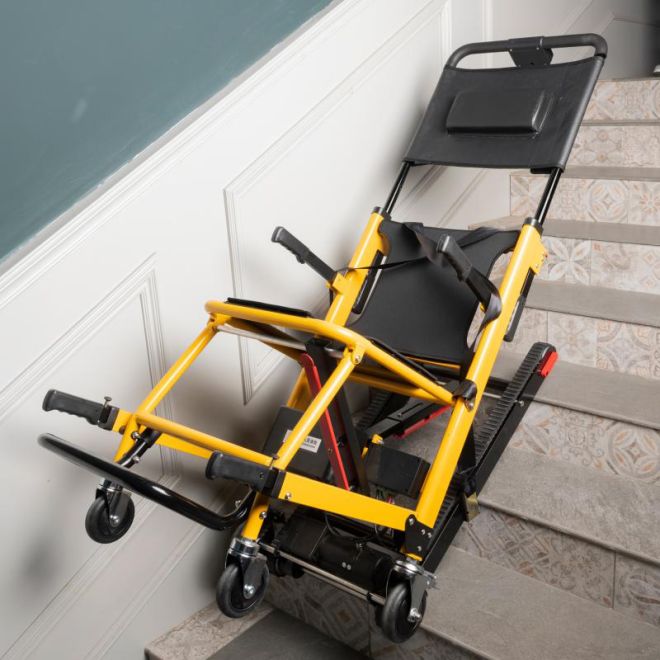
Well‑matched motors also cut service time for products like the Compact Stair-Climbing Wheelchair - Aluminum Foldable Frame, 169kg Capacity, Smart Brake System for Elderly & Disabled, improving uptime and user safety.
1. Motor type and power rating
AC, DC, and brushless DC motors carry different price levels. Higher torque and longer duty cycles usually cost more but support smoother, safer stair travel under heavy loads.
- Standard indoor lifts: lower power, lower cost
- Heavy‑duty or outdoor lifts: higher power, higher cost
2. Materials, bearings, and winding quality
Premium copper windings, sealed bearings, and strong housings reduce noise and failure risk. These parts raise unit price but extend service life and cut warranty claims.
- Better bearings = fewer replacements
- Strong housing = higher safety margin
3. Integrated safety and control features
Soft‑start control, thermal protection, and emergency stop inputs add cost but protect users and reduce motor stress in daily operation.
| Feature | Impact on Price |
|---|---|
| Thermal sensor | Small increase |
| Smart controller | Medium increase |
4. Certification, testing, and compliance
Motors tested to EN, CE, or UL standards cost more due to audits and lab work, yet buyers gain faster approvals and easier insurance acceptance.
- Certified motors ease import checks
- Lower risk of field failures
📦 Volume thresholds and how larger orders reduce motor unit costs
Suppliers reward higher quantities with scale savings on materials and production. Clear volume planning helps buyers reach price breaks and protect project margins.
Align motor volumes with full product lines, such as stair climbers and transfer devices, to negotiate better long‑term contract pricing.
1. Typical tiered pricing bands
Most factories use price tiers. Crossing each tier reduces unit cost and spreads tooling and setup over a larger batch.
| Quantity | Indicative Discount |
|---|---|
| 100–499 units | Base price |
| 500–999 units | 3–5% lower |
| 1000+ units | 6–10% lower |
2. Bar chart: sample unit cost by order size
The following bar chart shows how estimated stair lift motor unit cost can drop as volume increases.
3. Coordinating orders across product lines
Combine motor demand from stair lifts and powered climbers like the Upgraded Rear-Wheel Person-Carrying Stair Climber for B2B Care & Medical Services to reach higher breakpoints and safer buffer stock.
- Forecast shared motor models
- Lock in quarterly volumes
4. Lead time, storage, and logistics effects
Larger batches usually mean longer lead times. Yet, fewer shipments and better freight rates reduce total landed cost if buyers plan warehouse capacity.
- Balance stock risk vs. price savings
- Use phased deliveries when possible
📈 Market factors influencing stair lift motor prices for bulk buyers
External market trends shape bulk quotes. Tracking these drivers helps buyers schedule purchases and avoid sudden price jumps.
1. Raw material and component trends
Copper, steel, and electronic component prices feed directly into motor cost. When these rise, motor prices typically adjust in the next quoting cycle.
- Monitor copper and steel indexes
- Ask suppliers for material clauses
2. Exchange rates and shipping costs
For importers, currency shifts and freight surcharges can offset factory discounts. A strong local currency often improves effective unit pricing.
| Factor | Buyer Action |
|---|---|
| FX swings | Request USD or local‑currency quotes |
| Freight jumps | Book space early, compare carriers |
3. Technology upgrades and model changes
When new motor designs arrive, older versions may drop in price or phase out. Buyers should align product roadmaps and spare part plans carefully.
- Plan last‑time buys for old models
- Test new motors in pilot runs
🧮 Calculating total project budgets for stair lift motor supply
Bulk buyers should look beyond unit quotes to full project cost, including tooling, shipping, quality checks, and warranty support.
A clear cost breakdown helps teams evaluate suppliers and plan realistic pricing for finished stair lift systems.
1. Build a complete cost table
List every cost line to see true landed price per motor, not only ex‑works factory quotes.
| Item | Example Cost |
|---|---|
| Motor unit price | $100 |
| Freight + insurance | $8 |
| Duties and taxes | $5 |
2. Include testing, integration, and after‑sales
Budget for lab testing, field trials, and service stock. Strong motors reduce downtime for devices such as the 2021 New Folding Portable Electric Stair Climbing Wheelchair With Rubber Track.
- Set aside extra units for service
- Track failure rates by batch
3. Compare suppliers using lifecycle cost
Sometimes a slightly higher price cuts failures and claims, making overall cost lower across a five‑ to seven‑year product life.
- Model repair and warranty costs
- Weigh energy use and efficiency
🏅 Why Excellent offers stable pricing and reliable quality for bulk orders
Excellent focuses on consistent motor quality, transparent pricing, and long‑term B2B partnerships for global stair lift and medical mobility brands.
This approach helps buyers meet strict safety rules while keeping projects on budget and on schedule.
1. Strict quality systems and traceability
Each batch follows documented tests, from incoming materials to final load checks. Clear serial tracking supports audits and fast root‑cause analysis.
- Routine torque and noise tests
- Burn‑in for key models
2. Stable component sourcing
Excellent works with approved vendors and multi‑source plans. This reduces delays and sharp price jumps caused by single‑supplier issues.
| Risk | Mitigation |
|---|---|
| Component shortage | Second‑source options |
| Price spikes | Long‑term material contracts |
3. B2B support for planning and customization
Engineering teams help match motors to track systems, loads, and duty cycles, so buyers avoid over‑spec or early wear.
- Joint design reviews
- Forecast‑based production plans
Conclusion
For bulk buyers, stair lift motor pricing depends on design, volume, and market forces. Understanding these points helps teams plan smart and negotiate better.
By looking at lifecycle cost, not just unit quotes, buyers can secure safer motors, stable supply, and higher margins across complete stair mobility portfolios.
Frequently Asked Questions about Stair lift motor
1. What power rating do I need for a typical stair lift?
Most indoor straight stair lifts use compact DC motors sized around the required load, rail angle, and duty cycle. Your supplier should size torque after checking real stair layouts.
2. How many motors should I order to see volume discounts?
Discounts often start near 100–200 units, with stronger breaks from 500 units upward. Exact thresholds vary by motor model, options, and contract length.
3. How long is the usual lead time for bulk stair lift motors?
Standard lead time runs 25–45 days after deposit and drawing approval. Add extra time during peak seasons or when custom testing or certification is required.



Building A, Software park,Shuyang City,Suqian,Jiangsu, China

