
.png)















Lightweight Motorised Attachments for Wheelchairs Ideal for Travel and Daily Use

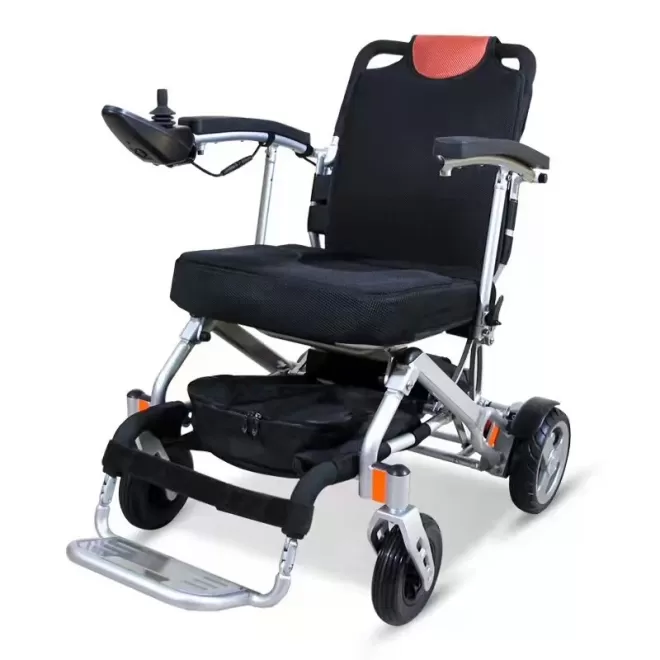
- 🚗 Benefits of Lightweight Motorised Wheelchair Attachments for Everyday Independence
- ✈️ Choosing Compact Travel-Friendly Attachments for Flights, Trains, and Public Transport
- 🧭 Navigating Urban Streets and Tight Indoor Spaces with Motorised Assistance
- 🔋 Battery Life, Charging Tips, and Safe Daily Operation for Attachments
- 🛒 When to Upgrade and Why Excellent Is the Right Attachment Choice
- Conclusion
- Frequently Asked Questions about motorised attachment for wheelchair
Tired of feeling like your wheelchair turns every quick outing into a full-blown expedition?
Those “just popping to the shops” trips can start to feel like a marathon, especially when hills, long corridors, and dodgy pavements gang up on you.
That’s where lightweight motorised attachments step in—compact, flight-friendly, and designed so you don’t need a pit crew just to clip them on.
In this guide, you’ll get the key specs that actually matter: battery range, weight, turning radius, compatibility with folding chairs, and airline regulations.
We’ll also point you to real-world performance data and independent testing inside this industry report: Lightweight Powered Mobility Market Analysis.
By the end, you’ll know which attachment can handle daily commutes, weekend travel, and that one ramp everyone secretly hates.
🚗 Benefits of Lightweight Motorised Wheelchair Attachments for Everyday Independence
Lightweight motorised attachments for wheelchairs turn a standard manual chair into a nimble, powered mobility system. They reduce physical strain, cut journey times, and make daily routines less exhausting. For many users and caregivers, these compact units provide the extra push needed for hills, long distances, and busy days.
Because they are easy to detach and store, these attachments work well at home, in the office, or during short trips. They support users who want flexibility: sometimes self-propelling, sometimes powered. This balance between independence and assistance is what makes lightweight motorised options so appealing.
1. Reduced Fatigue and Greater Daily Range
Motorised attachments significantly reduce the effort required to push a wheelchair, especially over long distances or on rough surfaces. Users can run errands, go to work, or meet friends without worrying about overexertion or shoulder strain.
- Less strain on arms, shoulders, and joints
- Helps prevent overuse injuries from constant self-propulsion
- Enables longer outings without fear of “running out of energy”
- Supports active lifestyles with more spontaneous plans
2. Improved Independence and Confidence
Lightweight power assistance reduces reliance on family members or caregivers, putting more control in the user’s hands. This autonomy translates into greater confidence in both social and professional settings.
- Independent navigation in malls, parks, and workplaces
- Less need to ask for help on slopes or uneven terrain
- Ability to keep up with walking companions more easily
- More control over speed and direction in crowded areas
3. Compact, Foldable Designs for Flexible Use
Modern motorised solutions often integrate folding frames and lightweight materials, making them suitable for users who need a system that adapts to daily life. Products like the Aluminum Alloy Foldable Electric Wheelchair - Lightweight Motorized Power Chair with Remote Control, Portable Design show how portability and power can work together.
| Feature | Benefit |
|---|---|
| Aluminum alloy frame | Strength with minimal weight |
| Remote control options | Caregiver support when needed |
| Easy folding mechanism | Quick storage in car trunks and closets |
4. Cost-Effective Path into Powered Mobility
For many users, a full power wheelchair is not yet necessary or financially practical. A motorised attachment, or a compact powered chair, can be a smart in-between solution. Models such as the Compact Travel-Ready Motorized Wheelchair with Vibration-Reduction Tires | Model EXC-2020 deliver powered mobility benefits while remaining relatively affordable and easy to maintain.
- Lower upfront cost than many heavy power chairs
- Reduced maintenance complexity
- Upgradeable components, such as batteries and controllers
- Good stepping stone for new powered mobility users
✈️ Choosing Compact Travel-Friendly Attachments for Flights, Trains, and Public Transport
Travel-ready motorised attachments and wheelchairs must be compact, airline-compliant, and easy to handle. Size, weight, and battery type all influence whether a product suits flights, trains, coaches, and taxis. A travel-focused setup should minimize disruption: quick to fold, secure to store, and simple to hand over to transport staff.
Considering factors like removable batteries, frame durability, and vibration reduction can make the difference between a stressful trip and a smooth journey. Reliable travel-friendly solutions protect both the user’s comfort and the equipment itself.
1. Key Specifications for Air and Rail Travel
Before booking tickets, users should check transport regulations and compare them with the wheelchair or attachment specifications. Battery capacity, folded dimensions, and total weight are critical data points.
| Specification | Typical Requirement | Why It Matters |
|---|---|---|
| Lithium battery Wh rating | Often < 300 Wh per battery | Airline safety compliance |
| Folded size | Fits standard luggage area | Easy storage in cars, trains, and buses |
| Total weight | Light enough for staff to lift | Prevents damage during handling |
2. Comparing Travel Features with Data Visualization
The chart below demonstrates an example comparison of three categories: portability, comfort, and battery travel readiness. This kind of data view helps users quickly identify which model offers the best combination for frequent travel.
3. Vibration Reduction and Comfort on the Move
Travel often involves cobblestones, ramps, and uneven platforms. Vibration-reduction tires and suspension components make a huge difference in comfort and control. The Compact Travel-Ready Motorized Wheelchair with Vibration-Reduction Tires | Model EXC-2020 is a strong example of how design can soften bumps and improve travel experiences.
- Reduced shaking on train platforms and airport corridors
- Improved control on slopes and ramps
- Less fatigue due to smoother ride
- Lower risk of damage to sensitive equipment
4. Handling, Storage, and Check-In Tips
Efficient handling procedures reduce the risk of damage and delays. Travelers should prepare documentation about battery type, pack chargers safely, and know how to fold and protect their chairs quickly.
- Carry printed battery specifications and manuals
- Use protective covers for joysticks and controls
- Detach batteries when required by airlines
- Label chairs with contact details and handling instructions
🧭 Navigating Urban Streets and Tight Indoor Spaces with Motorised Assistance
Urban navigation brings narrow pavements, sharp turns, and tight store aisles. Lightweight motorised attachments give users the power to handle slopes and crossings while still being compact enough to move indoors smoothly. Smart design keeps turning circles small and responses precise, ensuring control in busy environments.
1. Maneuverability in Narrow Corridors and Shops
Short wheelbases, responsive steering, and compact frames help users reach shelves, navigate restaurant layouts, and move through office corridors.
- Small turning radius for tight spaces
- Easy access to lifts and doorways
- Better positioning at desks or tables
2. Power and Traction for Slopes and Kerbs
Motorised assistance helps with ramps, dropped kerbs, and gently sloping streets, lowering the risk of rolling back or losing control. Quality tires and well-tuned motors provide reliable traction in wet or uneven conditions.
- Improved safety on steep driveways
- More confident road crossings
- Controlled descents on ramps
3. Family and Child-Friendly Mobility Options
Children and smaller users need appropriate seating, safety features, and growth-adjustable options. The Kids Mobility Solution: Foldable Electric Wheelchair with Tilt & Standing Functions highlights how pediatric designs can support school, play, and independence while staying compact enough for everyday urban life.
| Child-Focused Feature | Benefit |
|---|---|
| Tilt & standing functions | Pressure relief and social interaction at eye level |
| Foldable frame | Easy transport in family cars |
| Secure harness and supports | Enhanced safety during city travel |
🔋 Battery Life, Charging Tips, and Safe Daily Operation for Attachments
Battery management is central to reliable powered mobility. Understanding how long batteries last, how to charge them correctly, and how to store them safely ensures that motorised attachments remain dependable day after day.
Smart habits around charging times, temperature, and regular maintenance can significantly extend battery lifespan and reduce unplanned downtime.
1. Maximizing Daily Range
Range depends on user weight, terrain, speed, and battery health. Planning journeys around realistic distance estimates reduces the risk of being stranded with a low battery.
- Check battery indicators before leaving home
- Use eco or low-speed modes where possible
- Avoid continuous steep climbs to preserve charge
- Consider carrying spare approved batteries for longer days
2. Best Practices for Charging and Storage
Correct charging routines increase battery life and maintain performance. Using the supplied charger and following manufacturer instructions is essential.
| Tip | Reason |
|---|---|
| Charge in a cool, dry area | Prevents overheating and damage |
| Avoid full discharge | Helps prolong lithium battery lifespan |
| Disconnect after full charge | Reduces stress on cells |
| Store partly charged if unused for weeks | Protects long-term capacity |
3. Operating Safely in Daily Conditions
Safe operation means using the right speed for the environment, checking all connection points, and staying aware of weather conditions. Regular maintenance checks further enhance safety.
- Inspect tires, brakes, and attachment mounts regularly
- Reduce speed on wet or slippery surfaces
- Keep control units dry and protected
- Follow weight limits for user and any carried items
🛒 When to Upgrade and Why Excellent Is the Right Attachment Choice
Over time, mobility needs change. Users may require longer range, better comfort, or more advanced controls. Recognizing when to upgrade avoids frustration and allows equipment to keep pace with lifestyle goals.
Choosing high-quality solutions from specialists such as Excellent ensures that every upgrade invests in reliability, safety, and ongoing support.
1. Signs It’s Time to Upgrade Your Motorised Solution
Frequent breakdowns, discomfort during everyday use, or a mismatch between current capabilities and desired activities often indicate that an upgrade is due.
- Regular repairs or declining battery life
- Difficulty handling current daily routes
- Need for better portability for travel or work
- Changes in health or strength levels
2. Benefits of Premium Lightweight and Ultralight Designs
Premium chairs and attachments use advanced materials and components to cut weight while maximizing strength. The Ultralight Commercial Foldable Electric Wheelchair | B2B OEM & Bulk Supply and EXC-2026 Lightweight Foldable Electric Wheelchair | B2B Bulk show how high-end construction benefits both individual users and organizations.
| Advantage | Result |
|---|---|
| Ultralight frames | Easier lifting and handling |
| Strong folding mechanisms | Reliable daily use and transport |
| Customizable specifications | Tailored solutions for clinics and fleets |
3. Why Excellent Wheelchairs Is a Trusted Choice
Excellent focuses on foldable, lightweight, and travel-accommodating powered mobility, supported by thoughtful design and robust manufacturing. This combination is ideal for users who want both reliability and convenience in their daily and travel mobility setups.
- Range of models for adults, children, and commercial buyers
- Attention to portability and battery safety standards
- Designs optimized for flights, urban life, and home use
Conclusion
Lightweight motorised attachments and compact powered wheelchairs give users a powerful combination of independence, comfort, and flexibility. They reduce physical strain while maintaining the maneuverability of a manual chair, making them ideal for both daily errands and longer journeys.
Choosing the right setup means paying attention to weight, battery specifications, folding mechanisms, and ride comfort. With travel-ready models and child-focused solutions available, there are options for virtually every environment and age group.
As needs evolve, upgrading to premium, ultralight systems ensures that mobility equipment keeps pace with changing lifestyles. Excellent’s specialist focus on foldable electric wheelchairs and refined powered designs offers users and organizations reliable solutions that perform well at home, in busy cities, and during international travel.
Frequently Asked Questions about motorised attachment for wheelchair
1. Can I fit a motorised attachment to any manual wheelchair?
Not all manual wheelchairs are compatible. Most attachments require specific frame dimensions, tube shapes, and mounting points. Check with the manufacturer or dealer, providing your wheelchair brand and model. In some cases, minor frame adjustments or using a compatible base chair may be recommended for safety and performance.
2. How far can a lightweight motorised attachment travel on one charge?
Range varies by battery capacity, user weight, terrain, and driving style. Many everyday systems offer around 10–20 km per charge under typical conditions. Frequent hills, high speeds, or rough surfaces can reduce this figure. Reviewing the manufacturer’s range estimate and adding a safety margin is the best planning approach.
3. Are motorised wheelchair attachments allowed on airplanes?
Most airlines allow powered wheelchairs and attachments with approved batteries, typically sealed lead-acid or lithium batteries within specified Wh limits. Batteries may need to be removed and carried as hand luggage. Always confirm your specific model’s battery rating and share documentation with the airline before flying.
4. How heavy are lightweight motorised attachments?
Weights differ by model, but many lightweight systems range from about 8 kg to 20 kg for the motor and drive unit, excluding the base chair. Ultralight powered chairs may have overall system weights similar to a heavier manual chair, which makes them easier to lift into car trunks and storage spaces.
5. What maintenance does a motorised attachment require?
Basic maintenance includes checking tires and pressure, inspecting mounts and fasteners, keeping connectors clean and dry, and monitoring battery health. Periodic professional servicing of motors, controllers, and brakes is recommended according to the manufacturer’s schedule. Good care significantly extends the life and reliability of the system.



Building A, Software park,Shuyang City,Suqian,Jiangsu, China

