
.png)















Wheelchair Front Wheel Attachment Safety Standards 2026

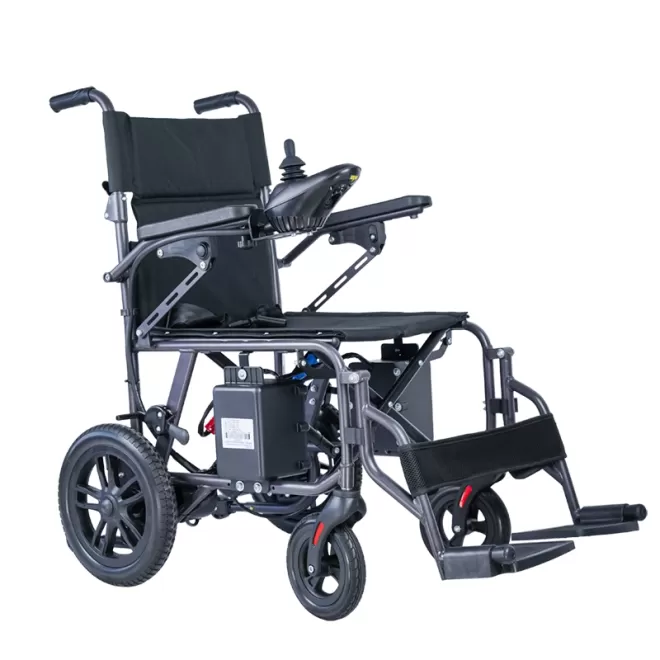
- 🛡️ Key changes in 2026 wheelchair front wheel attachment safety requirements
- ⚙️ Structural strength and durability criteria for front wheel attachment components
- 🔩 Testing methods for secure locking mechanisms on wheelchair front wheel units
- 🧪 Material safety, corrosion resistance, and environmental compliance for attachments
- 📏 User-centered design standards to prevent detachment, tipping, and instability risks
- Conclusion
- Frequently Asked Questions about wheelchair front wheel attachment
Tired of your wheelchair’s front wheel thinking it’s a rodeo bull every time you hit a crack in the sidewalk? This intro to the 2026 Wheelchair Front Wheel Attachment Safety Standards keeps you rolling straight, not starring in slapstick reruns.
We fix that chaos by explaining safer attachment designs, testing rules, and how to spot compliant gear, guided by the new standards and ISO wheelchair safety research so your next ride stays smooth, steady, and drama‑free.
🛡️ Key changes in 2026 wheelchair front wheel attachment safety requirements
The 2026 wheelchair front wheel attachment safety standards focus on stronger joints, clearer test methods, and easier inspections. They aim to reduce detachment accidents and improve daily safety.
Manufacturers must document design limits, test every production batch, and ensure compatibility with powered chairs such as the Foldable Electric Wheelchair for Medical Facilities & Nursing Homes.
1. Updated load and impact thresholds
New rules set higher static and dynamic load levels for front wheel forks, bearings, and quick-release pins, reflecting real curbs, ramps, and emergency stops.
- Increased vertical load benchmarks
- Side impact tests for tight indoor turns
- Repeated curb-drop simulations
2. Tighter dimensional tolerances
The 2026 standards reduce play between attachment pins, bushings, and housings to limit wobble and vibration at higher speeds and on uneven surfaces.
- Maximum allowed gap for pin–socket fit
- Roundness and alignment checks
- Gauge-based inspection at assembly
3. Clear labeling and user instructions
Manufacturers must give simple diagrams, tool lists, and torque values so staff can mount, inspect, and lock front wheel units without guesswork.
| Label Item | Requirement |
|---|---|
| Max user weight | Visible near fork |
| Lock status icon | Green/red indicator |
| Service interval | Months or hours of use |
4. Compatibility with folding and powered chairs
Front wheel attachments must stay secure during folding, transport, and remote drive, especially on models like the EXC-2026 Lightweight Foldable Electric Wheelchair.
- No tool loss of alignment after folding
- Protection for cables and sensors
- Stable tracking at higher powered speeds
⚙️ Structural strength and durability criteria for front wheel attachment components
The 2026 standards define clear strength limits for forks, brackets, and locking pins under repeated loading. They also address long-term fatigue from daily use.
Designers must combine lab tests with field data to prove that front wheel assemblies keep their integrity over the entire service life.
1. Static strength and overload margins
Front wheel assemblies must withstand loads above rated capacity without yielding or cracking, giving a safety margin for unexpected shocks.
- Minimum 1.5× rated user weight
- Front impact safety factor
- Deflection limits under peak load
2. Fatigue performance over lifecycle
New fatigue tests use millions of cycles to mimic years of curb drops, ramps, and tight turns, focusing on welds and pin interfaces.
3. Resistance to vibration and noise
Components must resist loosening and rattling under continuous vibration from outdoor surfaces, protecting both comfort and safety.
| Test Item | Standard Goal |
|---|---|
| Fastener loosening | No torque loss after test |
| Noise level | Below defined dB limit |
| Bearing play | Within set clearance |
4. Serviceability and inspection access
The design must allow quick visual checks and simple maintenance to keep performance stable, even in busy medical settings.
- Open access to key bolts and pins
- Wear indicators on bushes or tires
- Standard tools for all fasteners
🔩 Testing methods for secure locking mechanisms on wheelchair front wheel units
The 2026 locking standards focus on repeatable tests that confirm locks stay engaged during folding, transport, and everyday use.
They require clear pass/fail criteria and simple reporting formats to support audits and traceability.
1. Engagement and pull-out tests
Engineers measure the force needed to disengage the lock and ensure users cannot accidentally release the wheel during normal activity.
- Axial pull-out resistance
- Side load with lock engaged
- Wear after repeated locking cycles
2. Misalignment and contamination trials
Tests simulate dirt, hair, and slight frame twist to prove that the locking system still engages safely in real-world conditions.
| Condition | Required Outcome |
|---|---|
| Dust exposure | Lock clicks fully |
| Light frame twist | No partial lock state |
| Moisture spray | No corrosion jamming |
3. Visual and tactile feedback checks
New rules require clear feedback when the wheel is locked, supporting older adults and staff working in a hurry.
- Color change indicator for locked state
- Distinct click or detent feel
- Symbol near lever or button
🧪 Material safety, corrosion resistance, and environmental compliance for attachments
The 2026 standards set strict rules for safe materials, long-term rust protection, and low environmental impact.
They align wheelchair attachments with modern medical device and sustainability expectations.
1. Biocompatibility and surface safety
Any part users may touch must avoid harmful coatings, sharp edges, or allergenic metals like uncontrolled nickel.
- Rounded corners on forks and brackets
- Skin-safe paints and finishes
- Limits on heavy metal content
2. Corrosion and cleaning resistance
Front wheel parts must tolerate disinfectants, rain, and indoor humidity without rust or flaking coatings, especially on units folded and stored often.
| Test | Standard |
|---|---|
| Salt spray hours | No red rust on main parts |
| Chemical wipe | No peel or clouding |
| Condensation cycle | No pitting |
3. Environmental and recycling requirements
Designers should choose recyclable metals and label plastics, while cutting down on hazardous coatings and single-use packaging.
- Marked plastic grades for sorting
- Reduced solvent-based paints
- Material list for end-of-life recycling
📏 User-centered design standards to prevent detachment, tipping, and instability risks
The 2026 standards promote stable, intuitive front wheel designs that reduce user error and enhance confidence indoors and outdoors.
They focus on width, caster trail, braking, and secure folding for products like the 3 Second Fold Electric Wheelchair for Medical Facilities.
1. Stability geometry and anti-tipping rules
Designers must balance wheelbase, seat height, and caster layout to reduce forward and sideways tipping on slopes and ramps.
- Minimum wheelbase for each seat height
- Front caster trail ranges
- Optional anti-tip devices for higher seats
2. Intuitive folding and transport behavior
Front wheel attachments must stay aligned and locked through folding, lifting, and car loading, even for new caregivers.
| Action | Requirement |
|---|---|
| Single-person fold | No free-swinging casters |
| Car boot loading | No lock release by mistake |
| Unfold | Wheel auto-positions for straight travel |
3. Ergonomics for users and caregivers
Levers, pedals, and adjustment points must be easy to see and reach, with low effort and clear direction of movement.
- Hand-friendly shapes and textures
- Color coding for key controls
- Short, readable quick-start guides
Conclusion
The 2026 wheelchair front wheel attachment safety standards bring clearer tests, stronger structures, and safer locking systems. They help prevent detachment, tipping, and sudden failures.
By following these rules and choosing compliant products, healthcare teams, nursing homes, and families can offer users safer, more stable mobility every day.
Frequently Asked Questions about wheelchair front wheel attachment
1. Why did the 2026 front wheel attachment standards change?
They changed to reflect real-world use, higher speeds on powered chairs, and new data on detachment and tipping incidents in medical and home settings.
2. How can facilities check if their wheelchairs meet 2026 requirements?
Review manufacturer test reports, labels, and manuals. Confirm load ratings, locking test results, and corrosion data match the new standard values.
3. Do the new rules apply to older wheelchairs already in service?
Most laws do not force upgrades, but many facilities run risk reviews and replace high-use chairs or retrofit safer front wheel assemblies.
4. What daily checks should staff perform on front wheel attachments?
Check that locks click fully, wheels spin freely, no bolts are loose, and there is no visible rust, cracks, or unusual noise during travel.
5. Are folding electric wheelchairs covered by the 2026 front wheel rules?
Yes. The standards apply to both manual and electric chairs, with added focus on folding behavior, higher speeds, and powered braking actions.



Building A, Software park,Shuyang City,Suqian,Jiangsu, China

