
.png)















What materials are used in making motorised wheelchair attachments?

- Introduction to Motorized Wheelchair Attachments
- Metal Components: Aluminum and Steel
- Advanced Materials: Titanium and Carbon Fiber
- Plastic and Polymer Use in Wheelchair Attachments
- Rubber Components for Comfort and Grip
- Upholstery and Fabric for Seating
- Fasteners: Bolts and Screws
- Custom Parts and Machining
- Assembling and Integrating Attachments
- Future Trends in Wheelchair Attachment Materials
- Excellent Provide Solutions
Introduction to Motorized Wheelchair Attachments
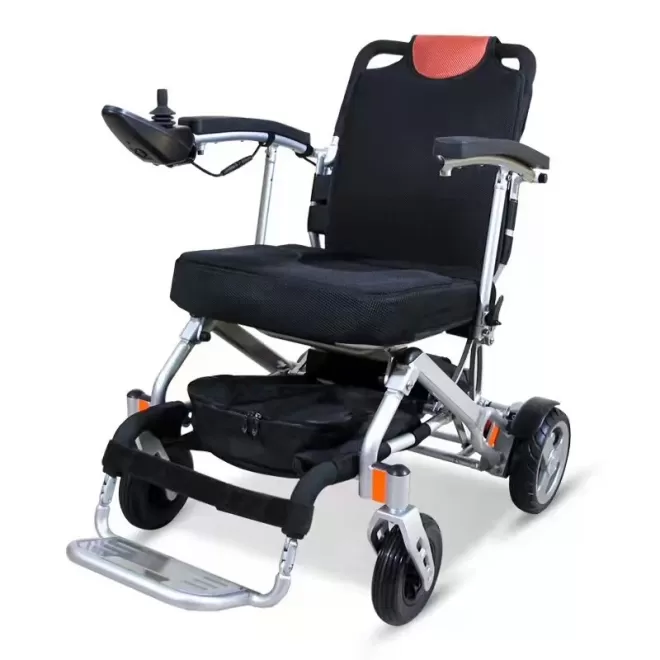
Motorized wheelchair attachments play a crucial role in enhancing the mobility and independence of users. The materials used in making these attachments significantly impact the durability, weight, and overall functionality of the wheelchair. In this article, we delve into the different materials used in manufacturing motorized wheelchair attachments, providing insights into how these materials contribute to the overall performance and reliability of the wheelchairs.
Metal Components: Aluminum and Steel
Aluminum: Lightweight and Durable
Aluminum is a popular choice for motorized wheelchair attachments due to its lightweight nature and impressive strength-to-weight ratio. Aluminum components often make up the frame and various structural parts of wheelchair attachments. This material's weight advantage allows for a more maneuverable and easier-to-transport wheelchair, enhancing convenience for users and caregivers alike. In addition, aluminum is corrosion-resistant, making it an ideal choice for long-term use.
Steel: Robust and Affordable
While heavier than aluminum, steel is valued for its robustness and affordability. Many factories and manufacturers opt for steel in areas where additional strength is necessary without significantly impacting the wheelchair's overall weight. Steel's tensile strength makes it a reliable option for load-bearing components, though it's essential to apply suitable treatments to prevent rust and corrosion over time.
Advanced Materials: Titanium and Carbon Fiber
Titanium: Strength and Longevity
Titanium is celebrated in the wholesale space for its unmatched combination of strength, lightweight nature, and resistance to corrosion. Although more expensive, titanium components offer long-term benefits through their longevity and minimal maintenance requirements. These factors make titanium a premium choice for manufacturers aiming to produce high-end wheelchair attachments that cater to users requiring durable solutions.
Carbon Fiber: Innovative and Lightweight
Carbon fiber is gaining traction as an innovative material for advanced wheelchair designs. Its exceptional stiffness and low weight make it perfect for frames and other crucial components. Carbon fiber allows manufacturers to create sleek, modern designs without compromising on strength. With an increasing number of factories investing in carbon fiber production techniques, this material is becoming more accessible, allowing for broader implementations in the industry.
Plastic and Polymer Use in Wheelchair Attachments
High-Density Polyethylene (HDPE)
HDPE is commonly used in protective covers, armrests, and other non-structural elements of motorized wheelchairs. This polymer is valued for its impact resistance, ease of manufacturing, and cost-effectiveness. Its versatility allows for widespread use in various components, contributing to the overall functionality of the wheelchair attachments.
Acrylic and Polycarbonate
For components requiring transparency, such as control panels or protective screens, acrylic and polycarbonate are often utilized. These materials offer excellent optical clarity and impact resistance, making them ideal for user interfaces and safety features. Factories often select these polymers for parts where visual aesthetics and durability are key considerations.
Rubber Components for Comfort and Grip
Neoprene and Natural Rubber
Rubber materials like neoprene and natural rubber are crucial in providing comfort and grip for wheelchair users. These materials are often used in tires, armrest covers, and handrim grips. Their elasticity, resilience, and excellent traction properties enhance both the user's comfort and the operational safety of the wheelchair.
Thermoplastic Elastomers (TPE)
As an alternative to traditional rubber, thermoplastic elastomers offer both elasticity and thermal stability. TPE materials are leveraged in applications requiring flexibility and durability, such as footrests and cushioning components. The adaptability of TPE in manufacturing processes makes it a favorite among wholesale suppliers and factories, especially in custom applications.
Upholstery and Fabric for Seating
Breathable Fabrics
Seating materials in motorized wheelchairs require a balance of comfort and durability. Breathable fabrics such as nylon or polyester blends are common for seats, ensuring user comfort during extended periods of use. These materials are selected for their ability to wick moisture and provide ventilation, reducing the risk of skin irritation.
Memory Foam and Gel Inserts
Memory foam and gel inserts are incorporated into seating cushions to enhance comfort and provide ergonomic support. These materials conform to the user's body shape, distributing pressure evenly and reducing fatigue. Such innovations are particularly valued by manufacturers seeking to improve the user experience through advanced materials technology.
Fasteners: Bolts and Screws
Stainless Steel Fasteners
Stainless steel is the material of choice for bolts and screws in motorized wheelchair attachments due to its corrosion resistance and strength. These fasteners are used throughout the assembly of wheelchair components, ensuring structural integrity and longevity. Factories rely on stainless steel fasteners to maintain high-quality standards in manufacturing processes.
Adjustability and Maintenance
The design of fasteners allows for adjustability and ease of maintenance, enabling wheelchair users or service personnel to perform quick repairs or adjustments. This flexibility is crucial for enhancing the lifespan of the wheelchair and allowing for component upgrades or replacements as needed.
Custom Parts and Machining
Precision Machining Techniques
Custom parts in motorized wheelchair attachments often require precision machining techniques to achieve the exact specifications needed for optimal performance. CNC machines are frequently used in factories to produce these components with high accuracy and consistency, allowing for bespoke solutions tailored to individual user needs.
Material Considerations for Custom Parts
The choice of materials for custom parts varies depending on the application and desired properties. Manufacturers often select materials like aluminum, titanium, or advanced polymers to balance weight, strength, and cost. The availability of these materials at the wholesale level influences decision-making processes in factories.
Assembling and Integrating Attachments
Assembly Techniques in Factories
The assembly process for motorized wheelchair attachments involves precise techniques to ensure all components fit together seamlessly. Factories employ skilled technicians and automated systems to maintain consistency and quality throughout the assembly line. Proper integration is crucial for ensuring the final product meets performance and safety standards.
Integration with Existing Wheelchair Systems
When designing new attachments, consideration must be given to their compatibility with existing wheelchair systems. Manufacturers focus on modular designs and standard interfaces to facilitate easy integration and adaptation. This approach allows users to customize their wheelchairs with minimal disruption to existing setups.
Future Trends in Wheelchair Attachment Materials
Innovations in Material Science
Advancements in material science continue to influence the development of motorized wheelchair attachments. Researchers are exploring new composites and alloys, aiming to improve the weight, strength, and sustainability of materials used in manufacturing. Factories and manufacturers are at the forefront of adopting these innovations to enhance product offerings.
Sustainability Considerations
With increasing awareness of environmental impact, the wheelchair industry is exploring sustainable materials and manufacturing practices. Biodegradable polymers, recycled metals, and eco-friendly production methods are gaining attention, presenting new opportunities for wholesalers and manufacturers to reduce their carbon footprint and meet consumer demand for green products.
Excellent Provide Solutions
For wheelchair manufacturers and suppliers seeking to enhance their product offerings, focusing on the integration of advanced materials, such as carbon fiber and titanium, can lead to improved performance and user satisfaction. By collaborating with material science experts and investing in innovative manufacturing technologies, companies can create lightweight, durable, and sustainable wheelchair attachments that stand out in the competitive market. Furthermore, embracing modular designs and standard interfaces will facilitate easier customization and integration, appealing to a broader range of users and their specific needs.
User hot search: motorised wheelchair attachment



Building A, Software park,Shuyang City,Suqian,Jiangsu, China

