
.png)















What materials are typically used in the construction of folding power chairs?

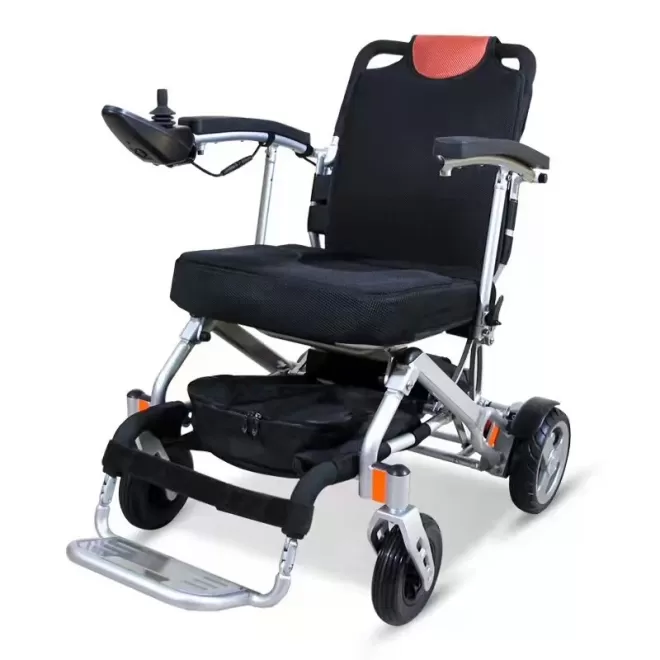
- Frame Construction Materials
- Component Fabrication Techniques
- Wheel and Armrest Materials
- CNC Machining in Component Production
- Assembly Process and Precision
- Quality Testing and Standards
- Role of Welding in Frame Construction
- Crossbrace and Side Frame Materials
- Wheel and Caster Materials
- Seat and Backrest Material Considerations
- Excellent Provide Solutions
Frame Construction Materials
The frame is the structural backbone of any folding power chair, significantly influencing the chair's overall performance and durability. Manufacturers, suppliers, and wholesalers emphasize the importance of selecting the right materials to achieve an optimal balance of weight, strength, and cost.
Common Frame Materials
Folding power chairs typically use a range of metals for frame construction, with aluminum, steel, titanium, and carbon fiber being the most common choices. Each of these materials offers distinct advantages.
- Aluminum: Known for its lightweight and strong properties, aluminum is often used by manufacturers to create frames that are easy to transport and maneuver.
- Steel: While heavier than aluminum, steel provides excellent durability and is cost-effective, making it a popular choice among suppliers.
- Titanium: Titanium combines low weight with high strength and corrosion resistance, although it tends to be more expensive, often seen in high-end models from wholesale manufacturers.
- Carbon Fiber: A premium material known for its lightness and strength, carbon fiber is used in performance models, offering superior durability at a higher cost to the supplier and consumer.
Component Fabrication Techniques
Once the material is selected, various fabrication techniques are employed to shape the raw materials into functional components.
Cutting and Shaping
The initial stages involve cutting and shaping the metal using tools such as metal drop saws and press brakes. These techniques ensure precision in dimensions, which is crucial for the consistent performance of the power chair.
Drilling and Forming
Components are meticulously drilled in set jigs to accommodate screws and bolts, ensuring all parts correlate during assembly. This process is vital for both manufacturers and suppliers as it directly affects the longevity and efficiency of the final product.
Wheel and Armrest Materials
The non-metal components of folding power chairs, such as wheels and armrests, also play a critical role in user comfort and chair performance.
Materials Used
Rubber, plastics, and advanced polymers are commonly used in the construction of wheels and armrests. These materials offer resilience and comfort, crucial for long-term use.
- Rubber: Provides the necessary traction and shock absorption for wheels.
- Plastics and Polymers: Used in armrests for comfort and durability, often sourced from specialized suppliers.
CNC Machining in Component Production
Computer Numerical Control (CNC) machines are an integral part of the manufacturing process for folding power chair components.
Precision Engineering
CNC machining allows for precision engineering of various parts made from aluminum, steel, and titanium, ensuring that each component meets exact specifications required by wholesalers and manufacturers.
Assembly Process and Precision
The assembly of a folding power chair requires precise alignment and secure fastening to ensure reliability and safety in use.
Component Integration
This stage involves the integration of the frame, wheels, seat, and electronic components. It is imperative that the assembly is conducted with precision, as incorrect alignment can result in decreased performance and potential safety risks.
Quality Testing and Standards
Quality assurance is a critical step in the production of folding power chairs, ensuring each unit meets rigorous standards before reaching consumers.
Testing Protocols
Manufacturers adhere to international standards such as ISO7176, conducting stress tests and durability assessments to ensure each chair can withstand daily use. This reassures suppliers and wholesalers of the chair's reliability.
Role of Welding in Frame Construction
Welding forms a pivotal part of the construction process, especially when dealing with materials like aluminum and titanium.
Welding Techniques
Specialized welding methods ensure that joints are strong and durable, with techniques such as TIG welding being commonly used to prevent weak spots.
Crossbrace and Side Frame Materials
The crossbrace is a critical component that allows the chair to fold while providing rigidity. Side frames add structural integrity.
Material Choice and Construction
Advanced materials like high-strength aluminum or dual-interlocking tubing are often selected for these components to enhance durability, promising reliability in folding mechanisms for wholesalers and suppliers.
Wheel and Caster Materials
Wheel and caster selection significantly impacts how a folding power chair performs in various terrains.
Material and Design Considerations
The use of durable rubber or pneumatic materials ensures that wheels and casters can handle diverse environments without compromising on performance or safety.
Seat and Backrest Material Considerations
The seat and backrest are designed with user comfort in mind, utilizing materials that offer both support and durability.
Comfort and Ergonomics
Upholstery materials, including high-density foams and breathable fabrics, are commonly used to enhance comfort and provide ergonomic support, ensuring extended usability.
Excellent Provide Solutions
Manufacturers, suppliers, and wholesalers aiming to improve their folding power chair offerings should prioritize using high-performance materials like carbon fiber and titanium for weight reduction and increased strength. Incorporating advanced fabrication techniques, such as CNC machining and precision welding, will ensure the durability and efficiency of their products. Additionally, rigorous quality testing aligned with international standards will guarantee reliability and user satisfaction, solidifying their standing in the competitive market.



Building A, Software park,Shuyang City,Suqian,Jiangsu, China

