
.png)
















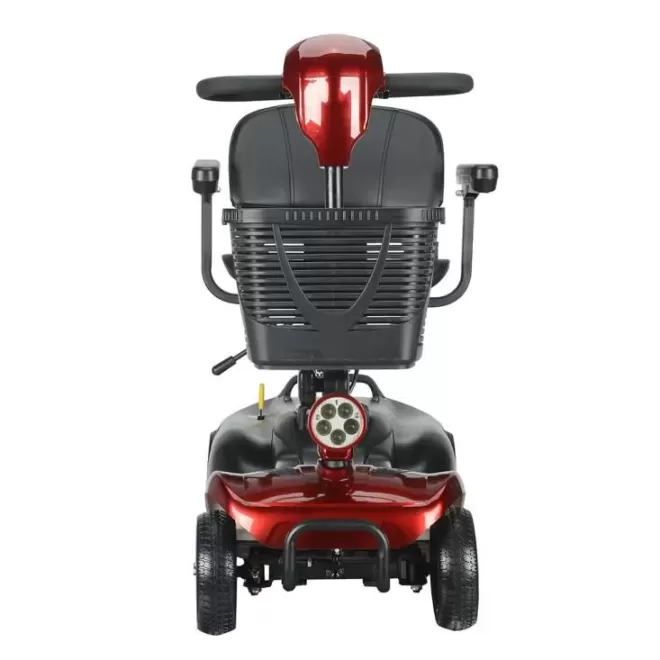
Q1: What types of mobility scooters suit adult users best?
A: Choose based on lifestyle:
-
Travel Scooters: Lightweight (<100 lbs), airline-compliant folding designs
-
3-Wheel Scooters: Tighter turns for indoor/retail use
-
4-Wheel Scooters: Enhanced stability for outdoor/uneven terrain
-
Heavy-Duty Models: 400-500 lb capacity for bariatric needs
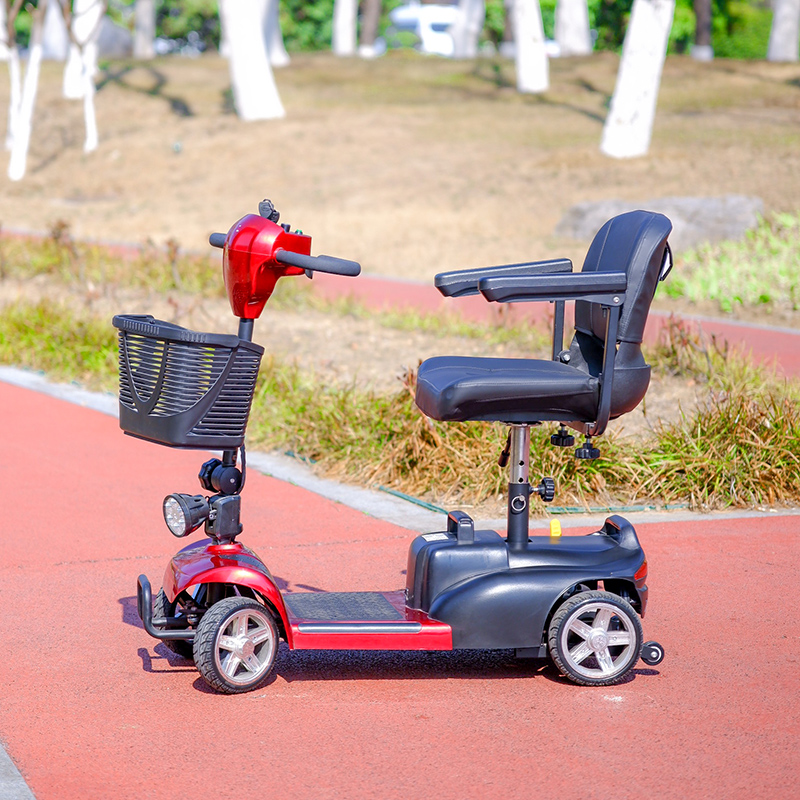
Q2: How do I determine the right weight capacity?
A: Always select a scooter with a minimum 25-30% higher capacity than your body weight. For example:
-
Standard user: 300 lb capacity scooter
-
With groceries/oxygen: 350+ lb capacity
Tip: Include medical equipment weight in calculations.
Q3: Can mobility scooters handle slopes and curbs?
A: Performance varies:
| Terrain Type | Capability |
|---|---|
| Pavements/Ramps | Most handle 6°-10° inclines |
| Curbs | 3"-4" clearance models available |
| Gravel/Grass | Select all-terrain tires (≥10" rear) |
Q4: What safety features are critical?
A: Prioritize these:
-
Dual braking systems (electronic + mechanical)
-
Anti-tip wheels & low-center gravity frames
-
LED lighting (front/rear) for visibility
-
Speed adjustment (3-8 mph range)
Q5: How far can I travel per charge?
A: Range depends on:
-
Battery type: Lithium = 15-25 miles | Sealed Lead Acid = 10-15 miles
-
User weight & terrain: Reduce range by 30% on hills
-
Pro Tip: Get 20% extra range than daily needs for reliability
Q6: Are mobility scooters airline/train friendly?
A: Only if:
✅ Foldable with dimensions ≤30"×18"×41" (FAA carry-on)
✅ Lithium batteries ≤300Wh (with airline approval)
✅ Includes protective travel case
Q7: What maintenance is required?
A: Minimal but essential:
-
Monthly: Tire pressure check, battery terminal cleaning
-
Quarterly: Brake adjustment, bolt tightening
-
Annually: Professional motor inspection
Q8: Can I customize my scooter?
A: Yes! Common upgrades:
-
Oxygen tank holders
-
Weather canopies
-
Swivel seats for easier transfers
-
Extended-range batteries
Key Takeaway: Consult an assistive technology professional for personalized recommendations based on your mobility goals, home environment, and transportation needs.



Building A, Software park,Shuyang City,Suqian,Jiangsu, China

