
.png)















Top Benefits of a Wheelchair for Stairs in Home Accessibility

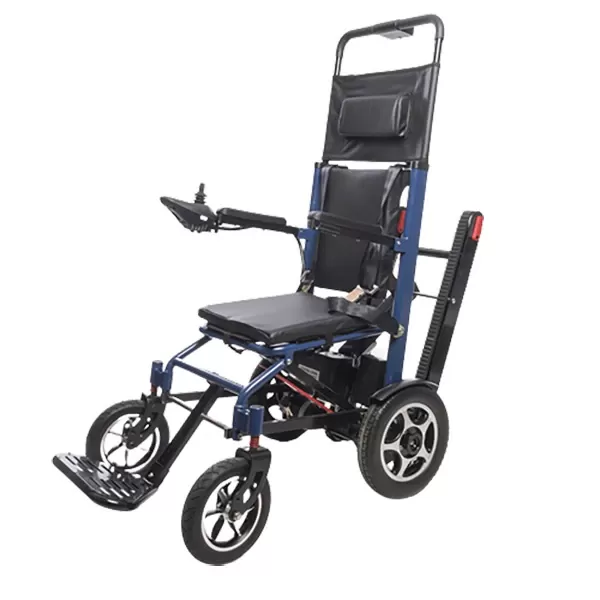
Table of Contents
- Introduction
- Enhanced Home Mobility and Freedom
- Safety and Independence in Movement
- Improved Quality of Life and Comfort
- Increased Accessibility for Daily Activities
- User-Friendly Design and Technology
- Customizable Features for Personal Needs
- Enhanced Home Value and Appeal
- Support for Caregivers and Family
- Flexible Solutions for Various Disabilities
- Long-Term Investment in Accessibility
- Conclusion
Introduction
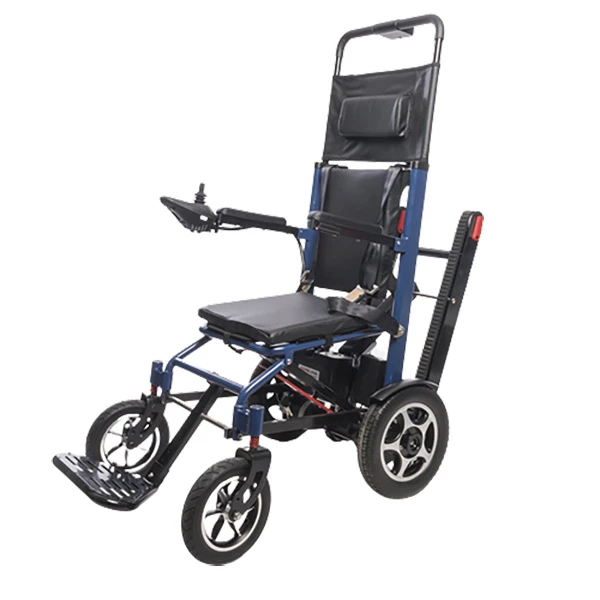
Navigating the vertical challenges of a multi-story home can be a significant barrier for individuals with mobility issues. Wheelchairs designed for stairs offer a revolutionary solution, providing not just access but also autonomy for users. This article delves into the myriad benefits of integrating a wheelchair for stairs within the home environment. Whether you are a potential user, a caregiver, or a healthcare professional considering these devices, understanding their benefits will help in making an informed decision.
Enhanced Home Mobility and Freedom
● Navigate Multiple Floors Effortlessly
The primary benefit of a wheelchair for stairs is the ability to seamlessly navigate between floors. Traditional homes often restrict wheelchair users to a single level, limiting their interactions and independence. By incorporating a specialized wheelchair, individuals can enjoy the freedom of moving throughout their home without barriers. This enhances the ability to engage with family and participate in activities across different spaces within the home.
● Avoid Being Confined to One Level
Being confined to one floor can greatly restrict a person's lifestyle and can lead to feelings of isolation. With advanced mobility solutions, users experience independence and improved social interactions. The capability to access every level of the home ensures that users can maintain a dynamic and fulfilling home life, free from the constraints that stairs typically impose.
Safety and Independence in Movement
● Reduce Risk of Slips and Falls
One of the critical concerns for those with mobility issues is the risk of accidents on stairs. A wheelchair designed for stairs minimizes this risk significantly. These wheelchairs are equipped with state-of-the-art safety features such as secure seat belts, stable braking systems, and controlled ascent and descent functions that ensure user safety at all times.
● Empower Users to Move Independently
By reducing the need for physical assistance when navigating stairs, users are empowered to move independently. This independence is crucial, not just for the user's self-esteem but also for relieving caregivers of the physical burden associated with assisting someone up and down the stairs, thereby fostering a sense of personal autonomy and dignity.
Improved Quality of Life and Comfort
● Access All Areas of the Home
The ability to access multiple levels within a home naturally leads to an improved quality of life. Users can engage fully in their home environment, participating in activities that they might otherwise miss. Whether it's joining a family dinner upstairs or watching a movie in a different room, the capacity to be an active part of the home life is invaluable.
● Maintain a Comfortable Living Environment
Wheelchairs designed for stairs are engineered to provide maximum comfort. With ergonomic seating and customizable options, these wheelchairs ensure a user-friendly experience, preventing discomfort that might arise from prolonged use. Comfort is further enhanced by features that allow smooth transitions between levels, minimizing physical strain.
Increased Accessibility for Daily Activities
● Easily Reach Living Spaces or Amenities
Daily activities such as cooking, laundry, or even accessing a book from upstairs become feasible for those using a wheelchair for stairs. This accessibility enables users to perform duties autonomously and reduces dependency on others. It promotes self-sufficiency, allowing users to manage their daily routine independently.
● Participate in Family Activities Across Floors
Family dynamics are enriched when mobility is no longer a barrier. Users can participate freely in activities across floors, from enjoying a meal together to engaging in joint hobbies or games. This inclusivity strengthens family bonds and ensures that everyone, regardless of mobility challenges, can contribute to and enjoy family life fully.
User-Friendly Design and Technology
● Intuitive Controls and Features for Ease of Use
Today's wheelchair for stairs models are designed with user-friendliness at the forefront. They often come equipped with intuitive controls that are easy to understand and operate, even for those who might not be tech-savvy. Features such as remote controls and sensory navigation make the user experience as smooth and straightforward as possible.
● Advanced Technology for Smooth Transitions
The incorporation of advanced technology in these wheelchairs is a game-changer. Features such as stair detection sensors, automated balancing, and battery efficiency ensure that transitions between floors are not just smooth but also reliable and safe. Users can rely on these innovations to provide a seamless experience, minimizing interruptions or technical hiccups.
Customizable Features for Personal Needs
● Adaptable to Various Home Designs
Wheelchairs for stairs are often customizable to fit different home designs, making them a versatile option for diverse architectural layouts. Whether your home has narrow staircases or expansive hallways, there are models tailored to fit specific needs, ensuring that users do not have to compromise their home's aesthetics or structural integrity.
● Adjustable Settings for User Preferences
Customization goes beyond fitting into the home; it's also about catering to individual preferences. Adjustable settings such as seat height, armrest positioning, and footrest angles allow users to personalize their wheelchair according to their comfort and convenience, providing a tailored experience that can adapt to changing needs over time.
Enhanced Home Value and Appeal
● Attract Potential Buyers with Accessible Features
Homes equipped with accessibility features such as a wheelchair for stairs are increasingly attractive to potential buyers. As awareness and appreciation of accessibility grow, these homes stand out in the real estate market, appealing not just to those with mobility challenges but also to families planning for future needs.
● Increase Market Value with Inclusivity Enhancements
Investing in home accessibility features can significantly enhance your property's market value. Homes that are inclusive and future-proofed are more likely to command a higher price, as they cater to a broader audience, including aging populations and those valuing long-term living arrangements without the need for future renovations.
Support for Caregivers and Family
● Reduce Physical Strain on Caregivers
For caregivers, the physical demands of assisting someone in and out of a wheelchair or up and down stairs can be substantial. A wheelchair designed for stairs alleviates these demands, allowing caregivers to focus more on providing emotional support rather than overwhelming physical assistance.
● Facilitate Easier Assistance for Family Members
Family members often play a crucial role in caregiving. Wheelchairs for stairs facilitate smoother, easier assistance, allowing family members to provide support without the physical strain or stress that can accompany helping someone navigate stairs, thereby enhancing the overall caregiving experience.
Flexible Solutions for Various Disabilities
● Accommodate Different Mobility Challenges
Wheelchairs for stairs are engineered with versatility in mind, designed to accommodate a range of mobility challenges. Whether the user faces temporary mobility impairments or long-term conditions, these devices offer solutions that address specific needs, ensuring mobility challenges do not hinder personal freedom.
● Provide Versatile Options for Diverse Users
Manufacturers and suppliers of wheelchairs for stairs recognize the diversity of users, which is why there's a variety of models available. From heavy-duty options for larger individuals to lightweight, portable models for ease of transport, these versatile options ensure that users can find a solution that fits their specific lifestyle and physical requirements.
Long-Term Investment in Accessibility
● Durable Construction for Lasting Use
Investing in a wheelchair for stairs is also a commitment to long-term accessibility. These devices are built with durable materials designed to withstand daily use and varying environmental conditions. This durability ensures that users will benefit from their investment for many years, making it a cost-effective choice in the long term.
● Cost-Effective in Improving Home Accessibility
Compared to costly home renovations, purchasing a wheelchair designed for stairs can be a more affordable and less invasive solution to improving home accessibility. With many wholesale options available, users can find cost-effective solutions that provide maximum benefit without breaking the bank.
Conclusion
Incorporating a wheelchair for stairs into the home environment offers a multitude of benefits that extend beyond mere accessibility. They provide freedom, safety, and inclusion for users while enhancing the overall functionality and market value of their homes. These devices represent a significant advancement in home accessibility, allowing individuals to live independently and with dignity.
● About Suqian Excellent Science And Technology Co., Ltd.
Suqian Excellent Science And Technology Co., Ltd., based in Suqian City, Jiangsu Province, is renowned for its high-quality rehabilitation therapy supplies, including stair climbing wheelchairs. Known for excellence, the company provides customizable solutions designed to meet diverse user needs. With certifications from CE, FDA, SGS, and more, EXCELLENT products are trusted by distributors globally, including in America, Europe, Japan, Australia, and the Middle East. Driven by the core value of "quality first, reputation first," EXCELLENT is committed to enhancing user accessibility and freedom.


CONTACT US



Building A, Software park,Shuyang City,Suqian,Jiangsu, China
PHONE NUMBER
+86 18251009960
EMAIL ADDRESS
info@excellentwheelchairs.com