
.png)














The Evolution of Smart Wheelchairs: From Basic Mobility to Performance Optimization Modular Classification System

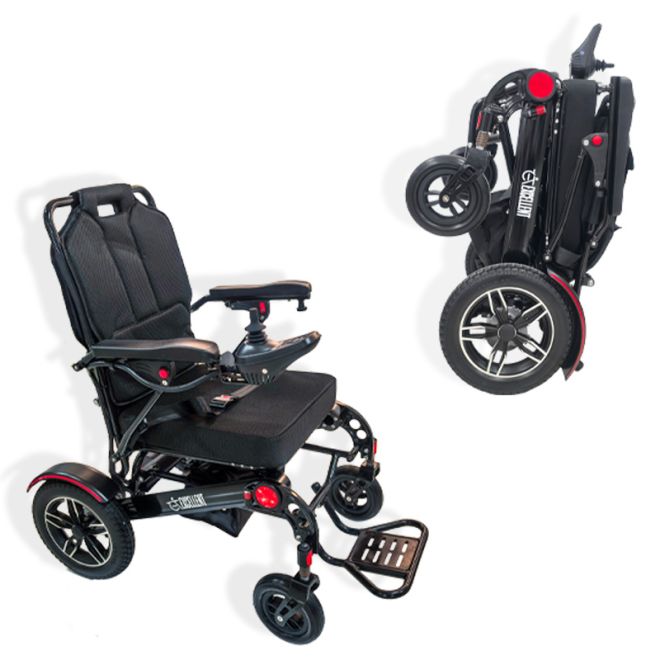
The Evolution of Smart Wheelchairs: From Basic Mobility to Performance Optimization
Modular Classification System
Modern wheelchair engineering establishes a three-tier system based on core performance metrics:
-
Standard Type (>16kg): Traditional steel frame structure
-
Lightweight Type (13.6-15.9kg): Aerospace-grade aluminum alloy framework
-
Ultra-Lightweight Type (<13.6kg): Carbon fiber composite technology
![Wheelchair Material Comparison: Strength-to-Weight Ratio of Steel/Aluminum/Titanium/Carbon Fiber]
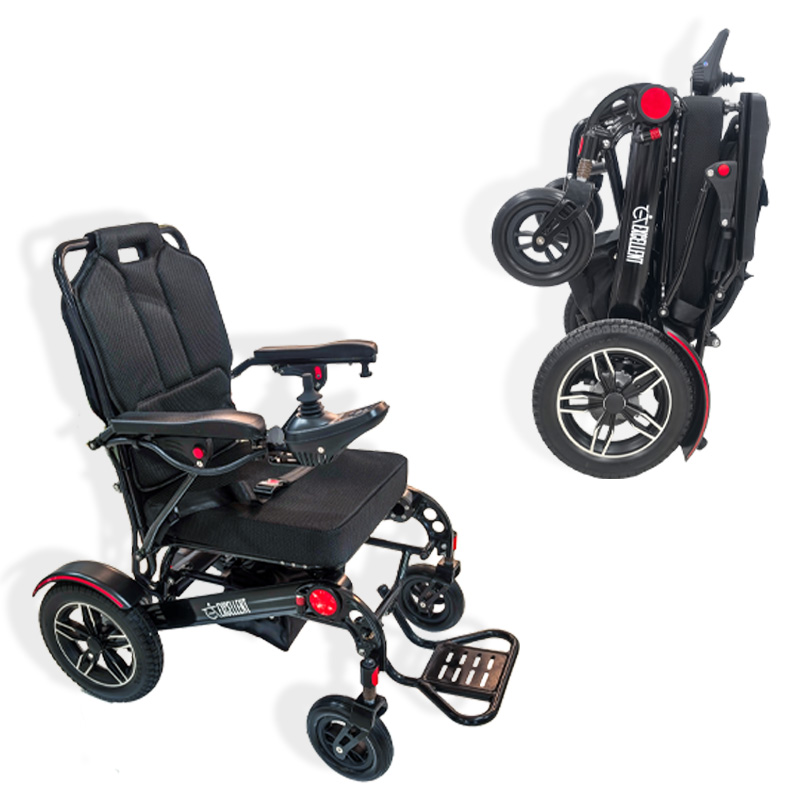
Material Revolution Driving User Experience Upgrades
Second-Generation Lightweight Solutions (2010-2020)
-
Core Breakthrough: Mass adoption of 6061-T6 aluminum alloy
-
Key Metrics: Tensile strength ≥290MPa, fatigue life of 50,000 cycles
-
User Value: 40% lighter than traditional steel frames, 35% smaller folded volume
Third-Generation Ultra-Lightweight Systems (2020-Present)
-
Innovative Applications: T700 carbon fiber + magnesium alloy joints
-
Performance Leap: 11.8kg weight with 150kg load capacity, 200% strength increase
-
Technical Benefits: Nano-coating for corrosion resistance, modular quick-release design
Dynamic Adaptation Model: A Five-Dimensional Matrix for Optimal Selection
-
Mobility Index
-
Self-propulsion threshold: Ultra-lightweight reduces rolling resistance coefficient to 0.08 (standard: 0.12)
-
Energy consumption formula: E = 0.85W + 0.15T (W: wheelchair weight, T: terrain factor)
-
-
Scenario Adaptability
Scenario Lightweight Advantages Ultra-Lightweight Advantages Daily use >4h ✓ ✓✓ Stair transport △ ✓ Humid environments ✓ ✓✓ (IP54 rated) -
Lifecycle Cost Analysis
-
Lightweight: Initial cost 1200, annual maintenance $120
-
Ultra-Lightweight: Initial cost 3500, annual maintenance $60
-
-
Ergonomic Compatibility
-
Adjustable parameter comparison:
-
Seat width: 3 levels (lightweight) vs. 5 levels (ultra-lightweight)
-
Center of gravity: ±2° (lightweight) vs. ±5° dynamic balance (ultra-lightweight)
-
-
-
Smart Expandability
-
Lightweight: Basic Bluetooth monitoring
-
Ultra-Lightweight: IoT integration + AI obstacle avoidance system
-
Decision Tree Model: Four Steps to the Ultimate Solution
① Activity Level Diagnosis → ② Environmental Feature Scan → ③ Body Parameter Matching → ④ Budget Flexibility Assessment
Case Study Analysis
-
Urban Professional Lucas:
-
Needs: Subway commuting + office navigation
-
Choice: Ultra-lightweight carbon fiber model
-
Benefits: 22% shorter commute time, 35% lower daily energy expenditure
-
-
Retired Teacher Margaret:
-
Needs: Community activities + school pickups
-
Choice: Lightweight titanium alloy model
-
Benefits: $180 annual maintenance cost savings
-
Future Trends Preview
-
Material Breakthroughs: Graphene-enhanced composites in lab testing (weight <8kg)
-
Smart Systems: L2 autonomous wheelchairs with millimeter-wave radar + AR navigation
-
Sharing Models: GIS-based wheelchair time-sharing rental networks



Building A, Software park,Shuyang City,Suqian,Jiangsu, China

