
.png)















Strategic Shifts in the Mobility Sector: Next-Gen Foldable Electric Wheelchairs for Commercial Partners

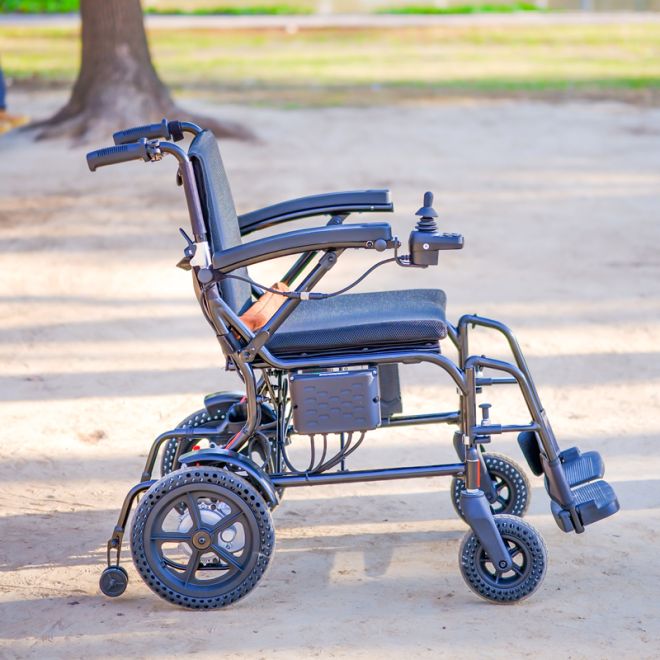
Strategic Shifts in the Mobility Sector: Next-Gen Foldable Electric Wheelchairs for Commercial Partners
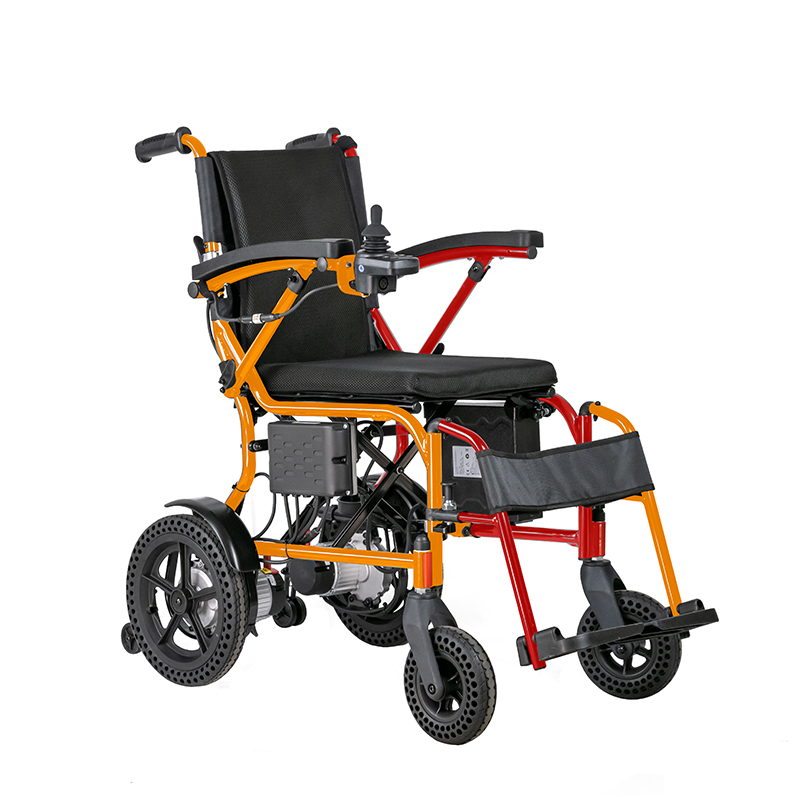
The global assistive technology landscape is experiencing unprecedented disruption as lightweight foldable electric wheelchairs transition from medical devices to mainstream mobility solutions. For B2B stakeholders, this represents a $9.7 billion opportunity by 2028 (CAGR 7.2%), driven by converging technological, demographic, and commercial forces.
Emerging Market Dynamics
Demographic Tailwinds Reshape Demand
-
Global senior population (60+) will reach 2.1 billion by 2050 (WHO), with Asia-Pacific accounting for 60% of growth
-
Disability prevalence increases to 16% among adults 55+ (CDC data), creating cross-generational demand
-
Urbanization drives need for compact mobility: 68% of world population will reside in cities by 2050 (UN Habitat)
Performance Evolution
Traditional electric wheelchairs faced adoption barriers:
-
Average weight: 45-60kg
-
Charging cycles: 300-500
-
Fold time: >90 seconds
Next-gen solutions achieve: -
Ultra-light frames: 13-18kg with aircraft-grade alloys
-
800+ charge cycles through lithium iron phosphate batteries
-
One-touch folding in <5 seconds
Commercialization Pathways
Hybrid Distribution Models
| Channel | Key Metrics | Revenue Impact |
|---|---|---|
| Direct Sales | 35-50% gross margin | $1,899-$3,299 unit price |
| Facility Leasing | 92% utilization rate | $33-$58/day rental yield |
| Subscription | 78% retention at 18 months | $199/month recurring revenue |
Smart Fleet Management
-
IoT-enabled units transmit usage data to optimize deployment
-
Predictive maintenance reduces downtime by 40%
-
Geofencing ensures compliance in sensitive areas (e.g., airports)
Manufacturing & Supply Chain Innovations
Production Clusters
-
Pearl River Delta: 63% of global mid-tier production
-
Yangtze River Delta: Premium segment specialization
-
Emerging hubs: Vietnam (+18% YoY capacity), Mexico (+12%)
Logistics Breakthroughs
-
Flat-pack shipping reduces volume by 60%
-
Regional assembly centers cut delivery time to 7-10 days
-
Blockchain tracking ensures certification compliance
Regulatory & Market Barriers
Certification Complexity
-
FDA Class II vs. CE MDR Class I differences create 6-9 month delays
-
Battery transportation regulations (IATA) increase airfreight costs 35%
Market Education Challenges
-
74% of potential users underestimate electric wheelchair capabilities (MarketStudy LLC)
-
68% of medical professionals lack training in mobility tech prescription
Future-Proof Strategies for B2B Partners
-
Modular Design Platforms
-
Interchangeable power packs (indoor/outdoor/travel)
-
Customizable control interfaces (joystick/sip-puff/eye-tracking)
-
-
Circular Economy Integration
-
Core charge programs for battery recycling
-
Remanufactured units at 30-40% price discount
-
-
Data Monetization
-
Anonymized mobility pattern analytics for urban planning
-
Health monitoring integration (fall detection, vital signs)
-
-
Emerging Market Entry
-
Tiered pricing for Southeast Asia/Latin America
-
Solar-compatible charging for off-grid regions
-
"The mobility revolution isn't about wheels—it's about removing friction from independence," observes Dr. Elena Rodriguez, MIT Mobility Lab. For commercial partners, the winning formula combines modular manufacturing, outcome-based pricing, and technology-as-a-service models.
Forward-thinking enterprises are already pivoting:
-
Medical suppliers bundling wheelchairs with remote monitoring
-
Hotel chains offering premium mobility concierge services
-
Auto manufacturers developing wheelchair-integrated vehicles
As accessibility becomes embedded in ESG benchmarks, the companies that reimagine mobility infrastructure—not just products—will capture the greatest value in this expanding $42 billion ecosystem (Global Wellness Institute projection).



Building A, Software park,Shuyang City,Suqian,Jiangsu, China

