
.png)















Solutions to Common Wheelchair Problems Noise Wobble and Slipping

- 🛠️ Identifying Common Wheelchair Noises and What They Often Mean
- 🔧 Simple Maintenance Checks to Reduce Squeaks, Creaks, and Rattling Sounds
- ⚙️ Fixing Wobbly Wheels: Tightening, Alignment, and Bearing Care at Home
- 🛡️ Preventing Slipping: Tire Tread, Braking Technique, and Safe Surface Choices
- ⭐ When to Seek Professional Help and Why Excellent Is a Smart Choice
- Conclusion
- Frequently Asked Questions about wheel chairs
Your wheelchair squeaks like a rubber duck, wobbles like a shopping cart, and slips like socks on tile—quite the entrance, but not the one you want when you’re just trying to get from the couch to the kitchen.
We’ll quiet the noise, fix the wobble, and boost traction with simple checks, better maintenance, and smarter parts choices—backed by expert guidance from the CDC’s disability and health resources.
🛠️ Identifying Common Wheelchair Noises and What They Often Mean
Wheelchair noise often signals simple problems you can fix at home. Listening closely helps you catch issues early, before they become costly repairs.
Most sounds come from loose bolts, dry bearings, worn tires, or misaligned parts. Tackle the cause quickly to keep your ride smooth, quiet, and safe.
1. Squeaking From Wheels or Axles
Squeaks usually point to dry parts that need cleaning and oil. Focus on axles, bearings, and moving joints before they wear out.
- Clean dirt and hair from wheel hubs.
- Use light oil on bearings and axles.
- Do not spray brakes or tires with lubricant.
2. Creaking From Frame or Seat
Creaks often mean the frame, cross-brace, or seat hardware is slightly loose. Tightening parts often fixes the sound and improves stability.
- Check frame joints and cross-brace bolts.
- Inspect seat rails and backrest mounts.
- Stop using the chair if you see cracks.
3. Rattling From Footrests or Accessories
Rattles often come from footrests, side guards, or armrests that are not fully locked. They can distract you and slowly damage parts.
- Confirm footrests click fully into place.
- Tighten armrest and side guard screws.
- Replace worn clips or locking pins.
4. Grinding or Scraping Sounds
Grinding sounds are more serious and often point to worn bearings, bent wheels, or damaged brake parts that need quick attention.
- Check wheels for wobble or bending.
- Spin wheels and feel for rough spots.
- Contact a technician for bearing changes.
🔧 Simple Maintenance Checks to Reduce Squeaks, Creaks, and Rattling Sounds
Regular maintenance keeps your wheelchair quiet and extends its life. You can do many simple checks with only basic tools at home.
Build a monthly routine to check bolts, clean wheels, and test brakes. This helps prevent noise, wobble, and unsafe slipping on ramps.
1. Monthly Bolt and Fastener Check
Loose bolts are a leading cause of noise and wobble. A quick monthly check keeps the frame solid and reduces sudden failures.
| Part | Check | Action |
|---|---|---|
| Armrests | Move up/down | Tighten loose screws |
| Footrests | Wiggle side to side | Secure clamps |
| Cross-brace | Open/close chair | Tighten pivot bolts |
2. Cleaning and Light Lubrication
Dust and hair collect around wheels and axles, causing noise. Clean first, then use a small amount of lubricant where parts move.
- Use a dry cloth for frame and wheels.
- Remove hair from casters with tweezers.
- Add a drop of oil to moving joints only.
3. Tire, Caster, and Bearing Inspection
Inspect tires and casters often for flat spots, cuts, and wobble. Early tire changes protect bearings and make pushing easier and quieter.
- Check tire tread and sidewalls.
- Spin casters and watch for shaking.
- Replace worn or cracked tires quickly.
4. Simple Data Check: Time Spent vs. Noise Reduction
Even a little monthly care can cut most noise problems. The chart below shows how 15 minutes of work can bring big noise reductions.
⚙️ Fixing Wobbly Wheels: Tightening, Alignment, and Bearing Care at Home
Wheel wobble affects safety, comfort, and pushing effort. You can often fix mild wobble with simple checks and careful adjustments.
Work on a flat floor and test the chair after each change. If wobble stays strong, stop riding and call a technician.
1. Checking and Tightening Wheel Axles
Start by checking that quick-release axles lock fully. For bolt-on wheels, use the right wrench to tighten but avoid over-tightening.
- Confirm axles click and do not pull out.
- Tighten axle nuts evenly on both sides.
- Re-check after a short test ride.
2. Basic Alignment for Rear Wheels
Misaligned wheels cause drag and veer. Measure from frame to wheel on both sides and adjust spacers or camber as needed.
- Use a simple tape measure.
- Match distances left and right.
- Keep wheels square to the frame.
3. Spotting Bearing Wear and Damage
Bad bearings feel rough and sound gritty when you spin the wheel. Replace them early to stop wobble and protect your frame.
| Sign | Likely Issue |
|---|---|
| Grinding sound | Dry or damaged bearings |
| Side play | Loose axle or worn hub |
| Uneven roll | Bent rim or caster fork |
🛡️ Preventing Slipping: Tire Tread, Braking Technique, and Safe Surface Choices
Slipping often happens on wet, glossy, or dusty floors. Good tires and safe habits reduce the risk of falls and sudden slides.
Check treads, use smooth braking, and choose safer paths whenever possible, especially on ramps, tiles, or metal plates.
1. Checking and Upgrading Tire Tread
Low tread greatly increases slipping. Replace bald tires and consider treaded or wider options if you often travel outdoors or in rain.
- Look for visible grooves in the tread.
- Replace if tread is flat or cracked.
- Use matched tires on both sides.
2. Safer Braking and Turning Technique
Strong, sudden braking can cause sliding. Use smooth, even hand pressure and slow down before turns or slopes.
- Brake earlier on wet floors.
- Keep speed low on ramps.
- Avoid sharp turns on loose gravel.
3. Choosing and Reading Surfaces
Some surfaces stay slippery even with good tires. Learn to spot risk areas and adjust your route or speed to stay safe.
| Surface | Risk Level | Advice |
|---|---|---|
| Wet tile | High | Slow down, avoid fast turns |
| Dry concrete | Low | Normal use |
| Metal ramps | Medium–High | Use extra care in rain |
⭐ When to Seek Professional Help and Why Excellent Is a Smart Choice
Some problems go beyond home repair. Seek expert help if damage is serious, you notice frame cracks, or the chair feels unsafe.
Professional service also helps you choose better equipment, from light manual chairs to strong children’s and power models.
1. Clear Signs You Need a Technician
Stop using the chair and call a pro when wheels lean sharply, the frame bends, or brakes fail to hold on a slope.
- Visible cracks in frame or forks.
- Strong wobble that returns quickly.
- Brakes slip even after adjustment.
2. Choosing Better Wheelchairs for Long-Term Use
A high-quality chair reduces noise, wobble, and slipping from day one. Lighter, stronger frames also make daily movement easier.
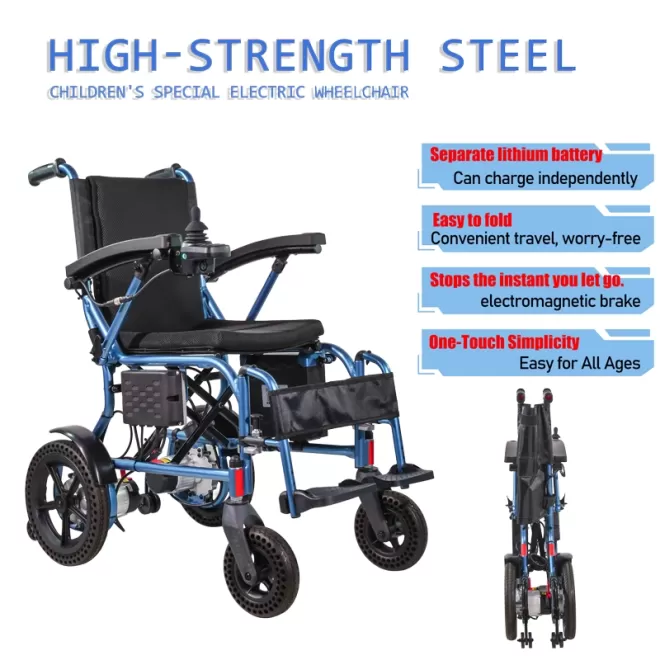
For example, a Lightweight Aluminum Manual Wheelchair CE Approved offers easy pushing, while the High-Strength Steel Children’s Electric Wheelchair – Customizable Portable Mobility Aid supports growing kids. Power users may prefer the Carbon Fiber Mag Alloy Power Wheelchair CE ISO for strength and low weight.
3. Benefits of Regular Professional Service
Even with good home care, yearly checks help catch hidden wear. This protects your health, reduces breakdowns, and keeps your wheelchair in top shape.
- Full frame and bearing inspection.
- Expert brake and alignment checks.
- Advice on upgrades and parts.
Conclusion
Noise, wobble, and slipping often start as small signs. With simple checks, cleaning, and care, you can fix many issues at home and prevent bigger damage.
When in doubt, pause use and seek expert help. The right wheelchair, plus steady maintenance, keeps every ride quieter, smoother, and safer.
Frequently Asked Questions about wheel chairs
1. How often should I check my wheelchair for problems?
Do a quick check every week and a deeper inspection each month. Look at bolts, tires, brakes, and wheel wobble to catch early wear.
2. Why is my wheelchair suddenly making new noises?
New noises often come from loose bolts, dirt in casters, or dry parts that need oil. Stop, inspect, tighten, clean, and test again.
3. How can I reduce slipping on ramps?
Use good treaded tires, go slower, and avoid sudden braking. In rain, choose less steep routes if possible and keep hands dry for grip.
4. When should I replace wheelchair tires?
Replace tires when tread looks flat, rubber cracks, or you notice more slipping. Many active users need new tires every 12–18 months.
5. Can I fix wheel wobble myself?
You can tighten axles, check alignment, and inspect bearings at home. If wobble stays strong or worsens, stop using the chair and call a technician.



Building A, Software park,Shuyang City,Suqian,Jiangsu, China

