
.png)















How Wide Should a Wheelchair Be Sizing Tips for All Users

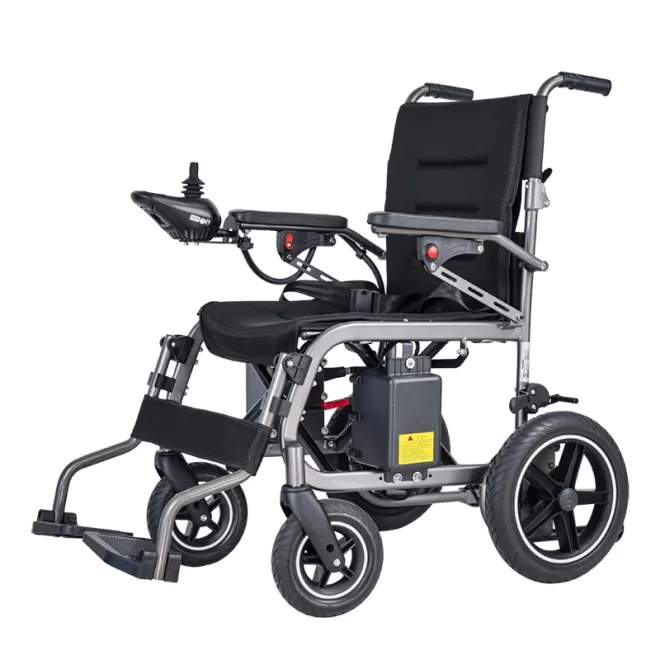
- 🦽 Measuring Hip Width Correctly for a Comfortable Wheelchair Seat Fit
- 📏 Standard Wheelchair Widths vs. Custom Sizing for Different Body Types
- 🏠 Checking Doorways, Hallways, and Ramps to Match Wheelchair Width
- 🛞 Balancing Wheelchair Width, Stability, and Maneuverability Indoors and Outdoors
- ⭐ When Unsure About Width, Choose Excellent for Professional Sizing Guidance
- Conclusion
- Frequently Asked Questions about wide wheelchair
Guessing wheelchair width shouldn’t feel like picking jeans online—too tight, you’re stuck; too loose, you’re sliding like it’s a theme park ride. Let’s dodge doorframe dings and hallway traffic jams with smart, simple sizing.
To solve this, measure hip width, then add 1–2 inches for comfort and clothing. Check doorway widths at home and work, and compare them to chair specs. For safety guidelines, see this report from the Center for Universal Design.
🦽 Measuring Hip Width Correctly for a Comfortable Wheelchair Seat Fit
Correct hip measurement is the first step to choosing the right wheelchair width. A good fit protects your skin, improves posture, and makes daily movement easier.
Use a firm chair and a simple tape measure. Always measure more than once and add a safety margin so clothes and padding do not feel tight.
1. Step‑by‑Step Hip Measurement
Sit upright on a flat surface with your feet supported. Measure the widest point across the hips or thighs, keeping the tape level and snug but not tight.
- Measure 2–3 times for accuracy
- Ask a helper for hard‑to‑reach angles
- Note the largest number you record
2. Adding Clearance for Comfort
After you know your hip width, add 1–2 inches (2.5–5 cm). This gives space for clothing, cushions, and slight weight changes without causing pressure.
- 1 inch for slim users
- 1.5–2 inches for average or broad users
- Extra room for winter clothing or bulky braces
3. Common Measuring Mistakes to Avoid
People often measure while standing, or they pull the tape too tight. Both errors can make the wheelchair seat too narrow and cause pain.
- Do not measure over soft cushions
- Do not round the number down
- Check both hips if you sit unevenly
4. When Body Shape Needs Special Attention
If you have wider thighs, a curved spine, or pelvic tilt, share this with your supplier. You may need shaped cushions or a custom seat base.
| Body Shape | Seat Tip |
|---|---|
| Wider thighs | Choose slightly wider seat |
| Pelvic tilt | Use supportive cushion |
| Curved spine | Add lateral trunk support |
📏 Standard Wheelchair Widths vs. Custom Sizing for Different Body Types
Wheelchairs come in standard widths, but not every body fits the same. Understanding size ranges helps you pick a chair that supports comfort and daily function.
You can start with standard options, then move to custom or adjustable models if your body type, posture, or environment needs a more tailored solution.
1. Typical Seat Width Ranges
Most adult wheelchairs range from 16 to 22 inches wide. Pediatric and bariatric users often need sizes outside this band for safe, stable sitting.
| User Type | Common Seat Width |
|---|---|
| Pediatric | 12"–14" |
| Standard adult | 16"–20" |
| Bariatric | 22"+ |
2. Matching Width to Body Type
Smaller adults and teens may feel lost in very wide chairs, while larger users need extra width to avoid skin breakdown and sliding or leaning.
- Slim users: narrower seats improve control
- Average build: mid‑range widths fit best
- Larger build: wide seats with firm cushions
3. When to Consider Custom Widths
Custom widths help if you have unique hip size, strong posture needs, or limited home space. They can improve propulsion and indoor turning.
- Unusual hip‑to‑shoulder ratio
- High risk of pressure injury
- Very tight doorways at home
4. Visualizing Width Choices with Simple Data
The chart below shows how often different users choose key seat widths, illustrating why “one size fits all” rarely works for wheelchair users.
🏠 Checking Doorways, Hallways, and Ramps to Match Wheelchair Width
Even a perfectly sized chair will fail if it cannot pass through your home or workplace. Measure spaces before you order.
Check doors, tight corners, and outdoor paths. Leave some extra clearance so you can move easily without scraping your hands or walls.
1. Measuring Doorways and Hallways
Use a tape measure at the narrowest point of each doorway and hall. Compare this to the total wheelchair width, including hand rims.
- Add at least 2 inches of extra clearance
- Note any raised thresholds
- Check stair landings and turns
2. Ramps, Landings, and Outdoor Routes
Look at ramp width, slope, and handrail placement. Make sure the wheelchair fits with room to turn safely on landings and flat areas.
| Feature | Recommended Minimum |
|---|---|
| Ramp width | 36" |
| Landing depth | 60" |
| Side clearance | 2"+ per side |
3. Planning for Public Spaces and Travel
Public doors and elevators usually follow access rules, but older buildings may be tight. If you travel often, consider a compact or folding design.
- Check hotel and restroom widths in advance
- Confirm vehicle door and trunk opening size
- Carry a small tape measure when traveling
🛞 Balancing Wheelchair Width, Stability, and Maneuverability Indoors and Outdoors
Wider chairs feel stable but can be harder to turn indoors. Narrow chairs move easily, yet may feel less steady on rough ground.
You need a width that supports your body and matches where you use the chair most, such as home, work, or uneven outdoor paths.
1. Stability for Safety and Confidence
Extra width increases the base of support and lowers tip risk. This helps heavy users or people who shift weight often during daily tasks.
- Wide axles improve side‑to‑side stability
- Lower seat height adds steadiness
- Anti‑tip bars help on slopes
2. Indoor Maneuverability in Tight Spaces
For narrow halls and kitchens, a compact frame and tight turning radius matter more than maximum width. This reduces fatigue and hand strain.
| Use | Helpful Feature |
|---|---|
| Small apartments | Narrow overall width |
| Office work | Short wheelbase |
| Frequent transfers | Swing‑away footrests |
3. Outdoor Use and All‑Surface Performance
For parks, gravel, and ramps, you may favor a slightly wider and more rugged chair that tracks straight and does not sink into soft ground.
- Larger rear wheels handle bumps better
- Wider tires spread the load
- Light frames reduce push effort
⭐ When Unsure About Width, Choose Excellent for Professional Sizing Guidance
If you feel unsure, work with a specialist supplier. Skilled sizing support can protect your skin, posture, and long‑term mobility comfort.
Professionals combine your body data, lifestyle, and home layout to recommend safe widths and models that match your daily routine.
1. Personalized Assessments and Trial Fittings
Good providers measure you, review photos or videos of how you sit, and may offer trial chairs so you can test width in real life.
- Measure hips, thighs, and shoulder width
- Check sitting balance and strength
- Review current chair problems
2. Product Options for Different Users
Light, folding carbon fiber chairs support active users, while commercial‑grade chairs fit clinics and care homes that need strong, durable frames.
- EXC-2021 Carbon Fiber Ultraportable Folding Wheelchair - 12.8kg, 15km Range, All-Surface Capability
- Certified Carbon Fiber Wheelchair | Commercial-Grade Folding Mobility for Institutional Procurement
- Ultralight Travel Wheelchair - Portable Transport Chair for Easy Mobility
3. Long‑Term Support and Adjustments
Your needs may change over time. A trusted supplier can adjust cushions, armrests, or even frame width to keep the fit safe and comfortable.
| Change | Possible Adjustment |
|---|---|
| Weight gain/loss | New cushion or seat sling |
| Pain or redness | Pressure‑relief setup |
| Home remodel | Frame and wheel changes |
Conclusion
Picking the right wheelchair width starts with careful hip measurement and a clear look at your body, home, and travel plans. A few millimeters can change comfort.
Combine standard size guides with professional help when needed. A well‑fitted wheelchair protects your skin, saves energy, and supports safe movement every day.
Frequently Asked Questions about wide wheelchair
1. How wide is a standard adult wheelchair?
Most standard adult wheelchairs have seat widths from 16 to 20 inches, with overall widths around 24 to 28 inches, depending on wheel style and frame.
2. How much wider than my hips should the wheelchair seat be?
Measure your seated hip width and add about 1–2 inches. This extra space allows for clothing, cushions, and small weight changes without pressure.
3. Can a wheelchair be too wide?
Yes. An overly wide chair can cause poor posture, sliding, extra effort when pushing, and trouble fitting through doorways or tight indoor spaces.
4. What if my home doors are narrow?
Measure each doorway at its tightest point. If space is limited, consider a narrower frame, removable armrests, or a compact travel or folding wheelchair.
5. Do bariatric users always need custom widths?
Not always. Many bariatric chairs come in wider standard sizes. Custom widths help when body shape, posture needs, or home layout are more complex.



Building A, Software park,Shuyang City,Suqian,Jiangsu, China

