
.png)















How do I choose the right indoor wheelchair for my needs?


- Understanding Different Types of indoor wheelchairs
- Assessing Your Mobility Requirements
- Evaluating Size and Maneuverability
- Importance of Comfort and Support
- Customization and Accessory Options
- Considering Home Layout and Accessibility
- Safety Features and Considerations
- Battery Life and Charging for Electric Models
- Budgeting and Financial Assistance
- Trial Periods and Warranties
- Provide Solutions
Understanding Different Types of indoor wheelchairs
Electric Wheelchairs
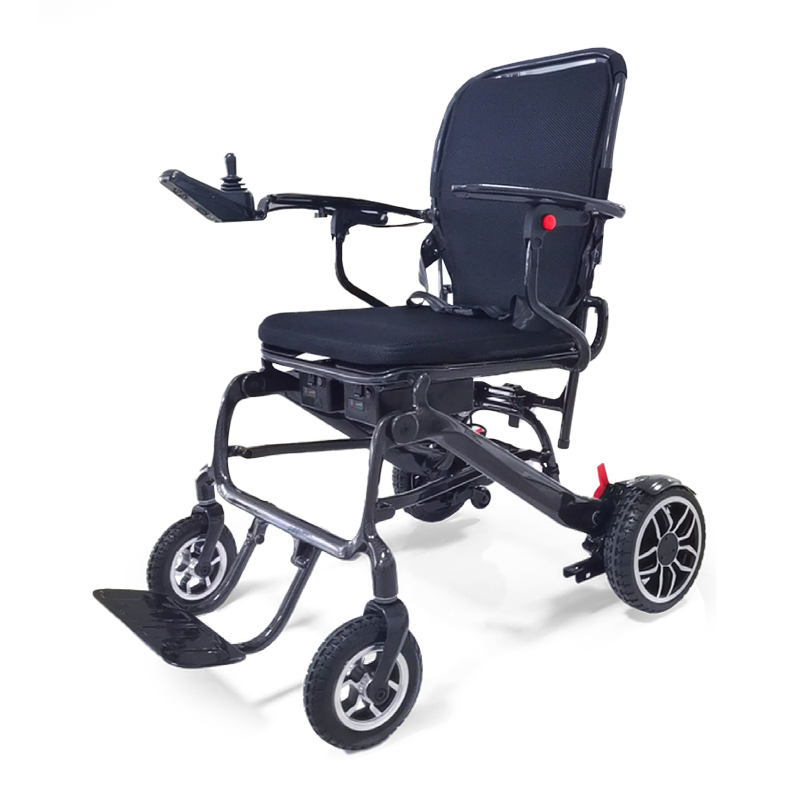
Electric wheelchairs, often referred to as power wheelchairs, offer motorized propulsion, making them a popular choice for individuals with limited upper-body strength. These wheelchairs come with a variety of control options, ranging from joystick controls to more complex interfaces that can be customized to suit the user's needs. Key specifications to consider include the size of the motor, battery life, and speed settings. Typically, electric wheelchairs can travel between 5 to 15 miles on a single charge, with speeds reaching up to 6 mph. Wholesale manufacturers often offer custom solutions to meet specific user requirements.
Manual Wheelchairs
Manual wheelchairs are propelled by the user or an attendant. They are a versatile option for those who have sufficient upper body strength and are looking for a lightweight, easily maneuverable wheelchair. Manual wheelchairs can be categorized further into standard, lightweight, and ultra-lightweight options, each offering varying levels of portability. Standard models can weigh over 35 pounds, while ultra-lightweight models can weigh under 20 pounds. Wholesale providers may offer custom configurations to enhance usability.
Assessing Your Mobility Requirements
Understanding Daily Needs
Deciding on the right indoor wheelchair involves a thorough assessment of your daily mobility requirements. Consider the duration you spend in the wheelchair and the type of activities you engage in while seated. This assessment can guide your selection towards a wheelchair that maximizes comfort and functionality. Consider contacting a manufacturer that provides samples to test before purchase.
Evaluating Physical Limitations
Your physical condition, including upper and lower body strength and endurance, plays a critical role in choosing a wheelchair. An occupational therapist can perform a detailed evaluation of your mobility limitations and provide recommendations based on your specific needs.
Evaluating Size and Maneuverability
Wheelchair Dimensions
The dimensions of a wheelchair, including seat width, depth, and height, are vital factors in ensuring comfort and accessibility. Larger wheelchairs may provide more comfort but can restrict maneuverability in tight indoor spaces. The turning radius, which is the minimum space required to turn the wheelchair, is a crucial factor to assess. Indoor wheelchairs typically have a turning radius of 20 to 30 inches.
Overall Weight and Portability
Weight affects portability and ease of use. A lightweight wheelchair is easier to push and transport, which can be a significant advantage if you need to move your wheelchair between locations frequently. Check with your wholesale supplier to see if they can provide lighter materials or folding options.
Importance of Comfort and Support
Seat Cushions and Back Support
A well-cushioned seat and ergonomic backrest are essential for prolonged use. Look for materials that offer breathability and reduce pressure sores, such as gel or memory foam cushions. Adjustable back supports can further enhance comfort, especially for users who require specific posture support.
Foot and Arm Rests
Adjustable foot and armrests contribute to overall comfort and can be critical for users with specific support needs. These components should be robust yet flexible, allowing adjustments to meet various user needs. Custom options can be requested from manufacturers for tailored solutions.
Customization and Accessory Options
Personalizing Your Wheelchair
Customization varies from aesthetic choices, like color, to functional modifications, such as specialized armrests or joystick placements. Accessories like cup holders, storage pouches, or trays can enhance daily convenience and should be considered as part of the selection process. Manufacturers often provide custom solutions to cater to these specific needs.
Technology Integration
Modern wheelchairs can integrate with technology to offer features like Bluetooth connectivity and app controls. These features can significantly enhance user independence and ease of use through wireless control options.
Considering Home Layout and Accessibility
Doorways and Hallways
Measure the width of your doorways and hallways to ensure the wheelchair can easily pass through these spaces. A standard wheelchair typically requires a minimum width of 24 to 27 inches.
Furniture and Floor Surfaces
Evaluate your home’s furniture layout and floor surfaces. Carpets and rugs can pose a challenge for some wheelchairs, while hardwood or tile can facilitate smoother movement. Adjustments may be necessary to accommodate your wheelchair’s functionality in the home environment.
Safety Features and Considerations
Braking Systems
Effective braking systems are crucial for safety, especially on inclined surfaces. Ensure the wheelchair has reliable manual or automatic brakes. Wholesale suppliers often offer various braking options, customized to user needs.
Stability and Anti-Tip Features
Wheelchairs should offer stability, particularly in models designed for active users. Anti-tip bars or casters can provide additional safety, preventing the wheelchair from tipping over during use. Confirm these features with your manufacturer.
Battery Life and Charging for Electric Models
Battery Longevity
For electric wheelchairs, battery life is a key consideration. Most models offer a range between 5 to 15 hours per charge. Frequent usage requires a battery that can support the daily travel distance within a single charge.
Charging Options
Consider the convenience and availability of charging options. Some models feature fast-charging capabilities, allowing the wheelchair to be charged quickly between uses. Check with the manufacturer for wholesale battery solutions fit for your needs.
Budgeting and Financial Assistance
Setting a Realistic Budget
Wheelchair costs can vary widely based on features and customization. Set a realistic budget that factors in both initial costs and long-term maintenance. Discuss with suppliers for potential discounts or wholesale pricing.
Exploring Financial Aid
Various financial assistance programs are available to help reduce costs. These may include insurance reimbursements, government grants, or nonprofit organizations offering support. Consult with a professional to understand what financial aid you qualify for.
Trial Periods and Warranties
Testing the Wheelchair
Many manufacturers offer trial periods allowing you to test the wheelchair in your home environment. This can provide assurance that the wheelchair meets your needs before making a final decision. Inquire about this option when contacting suppliers.
Warranty and Support
A comprehensive warranty is crucial for peace of mind, covering defects or issues with the wheelchair. Look for manufacturers providing extended warranty periods and robust customer support services to assist with any long-term issues.
Provide Solutions
Choosing the right indoor wheelchair requires a comprehensive evaluation of your needs, from mobility requirements to home environment compatibility. Consider working with a wholesale manufacturer who can provide custom solutions tailored to your specifications, ensuring a perfect fit for your lifestyle. By evaluating each aspect thoroughly, you can select a wheelchair that enhances your daily life, offering both functionality and comfort. Be sure to take advantage of trial periods and leverage financial assistance programs to ensure you make a well-informed investment in your mobility.



Building A, Software park,Shuyang City,Suqian,Jiangsu, China

