
.png)















How do I choose a supplier for a foldable electric wheelchair?

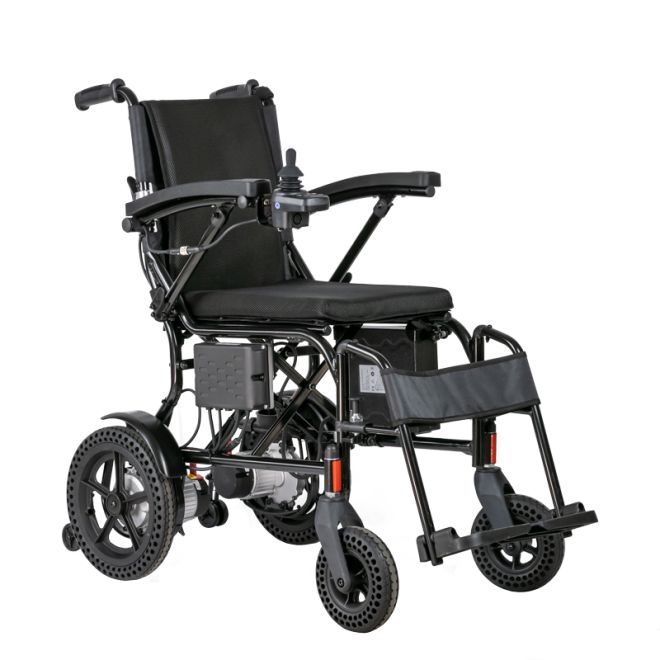
- Identifying Key Features for Foldable Electric Wheelchairs
- Understanding the Importance of Customization
- Evaluating Foldability and Ease of Transport
- Considering Maneuverability in Tight Spaces
- Selecting the Right Battery and Range
- Ensuring Safety and Compliance Standards
- Exploring Technological Features and Connectivity
- Investigating Brand Reputation and Customer Support
- Considering Cost and Budget Constraints
- Testing and Trialing Before Purchase
- Excellent Provide Solutions
Identifying Key Features for Foldable Electric Wheelchairs
When choosing a foldable electric wheelchair, understanding the essential features is critical to making an informed decision. A foldable electric wheelchair should offer portability, convenience, and improve the user’s quality of life. Weight, dimensions when folded, and ease of folding are key factors. Ideally, a wheelchair should weigh no more than 60 lbs, making it manageable for transport. Ensure the folded dimensions allow for easy storage in vehicles or compact spaces.
Weight and Portability
The weight of the wheelchair plays a significant role in portability. A lightweight design, typically ranging between 50 and 60 lbs, ensures ease of handling without compromising durability.
Dimensions and Ease of Folding
The compactness of the wheelchair when folded is crucial for storage and transport. A model that folds in less than 5 seconds and occupies minimal space is ideal for frequent travelers.
Understanding the Importance of Customization
Customization allows users to tailor the wheelchair to their specific needs, enhancing comfort and usability. A good supplier or manufacturer should offer OEM (Original Equipment Manufacturer) and ODM (Original Design Manufacturer) services for personalization.
Seat Adjustments and Accessories
Custom options such as adjustable seats, backrests, and pressure-management cushions improve comfort, while full-coverage armrests add functionality.
Technology Integration
Modern wheelchairs offer features like Bluetooth connectivity and app controls, allowing users to monitor battery life and adjust driving modes.
Evaluating Foldability and Ease of Transport
Foldability is a defining feature of portable electric wheelchairs. Look for models that offer quick-fold mechanisms, allowing users to convert the chair in under 3 seconds for hassle-free transport.
Quick-Fold Mechanisms
Quick-release lock mechanisms contribute to ease of folding, while sturdy construction ensures stability when in use.
Transportation Considerations
When assessing foldable models, ensure they fit easily into your vehicle's trunk or cargo area. The ability to dismantle or remove parts like the battery can further aid in portability.
Considering Maneuverability in Tight Spaces
Maneuverability is essential, especially in urban environments with confined spaces. Wheelchairs with a tight turning radius of around 30 inches allow easy navigation in elevators, bathrooms, and narrow hallways.
Turning Radius and Control Systems
A smaller turning radius enhances the chair's ability to make sharp turns. Joystick controllers should offer intuitive and responsive handling to aid in tight maneuvers.
Environmental Adaptability
Consider models designed for both indoor and outdoor use, offering stability and control across various terrains.
Selecting the Right Battery and Range
Batteries in foldable electric wheelchairs are a critical component, affecting the range and performance. Look for lithium-ion batteries approved for air travel, offering a range of 10 to 15 miles per charge.
Battery Capacity and Charging Time
A capacity that supports a driving range of at least 10 miles is optimal. Charging should be efficient, with full charge times under 6 hours.
Airline Compliance
For frequent fliers, selecting a wheelchair with an airline-approved battery ensures hassle-free travel.
Ensuring Safety and Compliance Standards
Safety is paramount when choosing a wheelchair. Ensure the product meets international safety standards, such as ISO 13485 certification and FDA clearance as a medical device.
Quality Certifications and Compliance
Look for wheelchairs with CE marking and other relevant certifications to ensure they meet stringent health and safety requirements.
Durability and User Protection
The wheelchair should feature robust construction with features like anti-tip wheels and safety harnesses for user protection.
Exploring Technological Features and Connectivity
Advanced technological features in modern wheelchairs enhance user experience. Bluetooth connectivity and app integration provide additional convenience and customization options.
App Integration and Drive Modes
Applications allow users to tailor the wheelchair’s performance by choosing from various drive modes, monitoring battery life, and accessing maintenance information.
Remote Control Capabilities
Some wheelchairs offer remote control operation via apps, providing flexibility and ease of use for caregivers and users alike.
Investigating Brand Reputation and Customer Support
The reputation of a manufacturer or factory is vital. Look for established brands known for quality and reliability. Customer support, including warranty terms and service availability, should also be a priority.
Manufacturer Reputation
Research the brand’s history, customer reviews, and industry standing to ensure you are purchasing from a reputable supplier.
After-Sales Service and Support
A robust customer support system is crucial. Ensure the supplier offers warranty services, parts replacement, and reliable communication channels for assistance.
Considering Cost and Budget Constraints
Cost is an important factor when choosing a foldable electric wheelchair. Balance your budget with essential features to find the best value for your investment.
Comparing Prices and Features
Evaluate different models and manufacturers, considering both initial purchase price and long-term maintenance costs.
Financing and Warranty Options
Look for suppliers that offer financing plans and comprehensive warranties to help manage costs effectively.
Testing and Trialing Before Purchase
Before making a final decision, test the wheelchair if possible. This ensures the model suits your comfort and mobility needs.
Trial Runs and Comfort Evaluation
Conduct trial runs to assess comfort, control, and ease of use. Testing multiple models can reveal subtle differences that affect daily comfort.
Feedback from Users
Gather insights from current users about their experiences with specific models, paying attention to both strengths and weaknesses.
Excellent Provide Solutions
Finding the right foldable electric wheelchair supplier involves considering key features, customization options, safety standards, and financial constraints. By researching and evaluating potential suppliers based on these criteria, you can ensure you select a reliable partner that meets your specific needs. Prioritize manufacturers or factories known for their quality and customer service to secure a product that enhances mobility and independence.
User hot search: lightweight electric wheelchair foldable



Building A, Software park,Shuyang City,Suqian,Jiangsu, China

