
.png)















Electric stair climbing chair price guide for buyers

- 🦽 Key factors that influence electric stair climbing chair pricing
- 📊 Comparing manual, semi-electric, and electric stair chair cost ranges
- 💰 Budget planning tips and cost-saving strategies for electric stair chairs
- 🔧 How features, materials, and safety options impact chair price levels
- 🏆 Why choosing Excellent ensures reliable quality at a fair, transparent price
- Conclusion
- Frequently Asked Questions about electric stair climbing chair
Hauling a heavy chair up the stairs feels like a workout you never signed up for—sweaty, awkward, and noisy enough to wake the whole building.
Electric stair climbing chairs fix this hassle; compare safe, certified models using reports like NIST mobility device evaluations.
🦽 Key factors that influence electric stair climbing chair pricing
Electric stair climbing chair prices vary with power, capacity, materials, and after‑sales support. Understanding these factors helps you balance upfront cost, long‑term value, and safety.
Smart buyers compare brands, check real load needs, and review product details like battery, track design, and folding style before deciding on a final budget.
1. Load capacity and motor performance
Higher weight capacity and stronger motors usually cost more but offer safer, smoother climbs on steep, long stairways.
- Standard chairs: 120–160 kg
- Heavy‑duty models: up to 200 kg, such as Portable Electric Stair Climber | 200kg Capacity
- More torque for older buildings with narrow or uneven stairs
2. Battery system and runtime
Battery quality impacts both price and daily use. Longer runtime means fewer charges and lower stress in emergencies.
| Type | Typical Range | Price Impact |
|---|---|---|
| Basic lead‑acid | Shorter | Lower |
| Lithium | Longer | Higher but lighter |
3. Frame materials and build quality
Strong yet light frames raise comfort and safety, but they also affect price. Better finishes reduce rust and wear.
- Aluminum alloy frames: lighter, higher cost
- Steel frames: strong, often cheaper but heavier
- Reinforced joints and rails improve durability
4. Brand, warranty, and support
Trusted brands may cost more but often give better service, clear parts supply, and longer warranties, lowering lifetime cost.
- Check warranty years and coverage
- Look for local service partners
- Compare spare part prices and availability
📊 Comparing manual, semi-electric, and electric stair chair cost ranges
Buyers can choose between manual, semi‑electric, and full electric stair chairs. Each type offers a different mix of price, safety, and caregiver effort.
Manual chairs look cheaper first, but electric models often save labor, reduce injury risk, and cut long‑term care costs.
1. Typical manual stair chair prices
Manual stair chairs have no motor. They are cheaper but rely fully on caregiver strength and skill on stairs.
| Type | Approx. Range | Notes |
|---|---|---|
| Basic manual | $250–$600 | Best for rare use |
| Heavy‑duty manual | $600–$900 | Higher capacity, still labor‑intensive |
2. Semi-electric stair chair prices
Semi‑electric chairs may have powered tracks but need some pushing. They sit between manual and full electric in both price and comfort.
- Typical range: $800–$1,500
- Good for buildings with mixed stair and lift access
- Lower strain than fully manual models
3. Full electric stair climbing chair prices
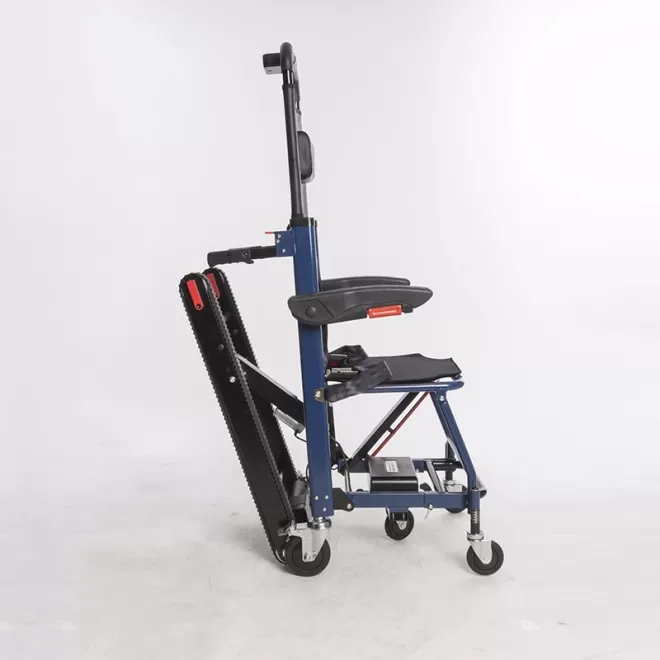
Full electric chairs, such as Factory Wholesale Electric Powered 24 V Motorized Normal Stair Climb Climbing Chair Wheelchair for Elderly Disabled People, provide powered ascent and descent with minimal pushing.
| Segment | Approx. Range |
|---|---|
| Entry electric | $1,500–$2,000 |
| Mid‑range | $2,000–$3,000 |
| Premium | $3,000–$5,000+ |
4. Cost versus value over time
Looking only at the purchase price can mislead. Consider reduced falls, lower staff injury, and longer product life when comparing options.
- Calculate cost per use over 3–5 years
- Factor in maintenance and training
- Include potential savings from fewer injury claims
💰 Budget planning tips and cost-saving strategies for electric stair chairs
A clear budget plan helps you choose the right stair climbing chair without cutting key safety or comfort features for users and caregivers.
Focus on real needs, long‑term use, and total cost, not just the starting price on the quote sheet.
1. Define your real usage needs
Match the chair to user weight, stair type, and daily travel frequency. Avoid paying for features you will never use.
- Measure stair width, landings, and turns
- List users and maximum weight with clothing and aids
- Estimate trips per day and per week
2. Compare models and negotiate packages
Ask for quotes on several models, such as StairClimbingTrolley3005, and compare what is included, not just the base price.
| Item | Included? |
|---|---|
| Training | Yes / No |
| Spare battery | Yes / No |
| Delivery and setup | Yes / No |
3. Look for financing, tax, and care-program help
Some regions allow tax relief, grants, or insurance support for mobility aids, which can reduce your out‑of‑pocket cost.
- Check medical device deductions
- Ask insurers about coverage levels
- Look for senior or disability support programs
🔧 How features, materials, and safety options impact chair price levels
The more advanced the features, the higher the price. Still, some upgrades pay for themselves in comfort, safety, and durability over time.
Decide which features you must have and which ones are nice but not vital for your situation.
1. Core feature sets and control systems
Simple toggle controls cost less than advanced displays and programmable speed settings, but both can be safe when used correctly.
- Basic: on/off, up/down buttons
- Mid: variable speed, battery gauge
- High: LCD display, diagnostic alerts
2. Material choices and comfort options
Thicker padding and upgraded upholstery raise comfort and appeal but slightly increase cost compared with basic plastic or thin covers.
| Option | Effect |
|---|---|
| Memory foam seat | Higher comfort, higher price |
| Breathable fabric | Less sweating on long trips |
| Anti‑slip armrests | Improved grip and safety |
3. Safety add-ons and compliance
Extra safety features may raise initial cost but reduce risk and liability, especially in public or care settings.
- Automatic braking and anti‑tip design
- EN / CE or local safety certifications
- Reflective strips and warning buzzers
🏆 Why choosing Excellent ensures reliable quality at a fair, transparent price
Excellent focuses on safe, reliable stair climbing solutions with clear pricing and strong support, helping buyers avoid hidden costs and risky low‑quality products.
The brand balances advanced technology with practical design so users and caregivers both gain daily confidence and comfort.
1. Proven engineering and testing standards
Excellent products use robust motors, tested tracks, and strong frames, designed for frequent use in homes, clinics, and public buildings.
- Strict load and fatigue testing
- Stable climbing on various stair surfaces
- Focus on long service life and easy care
2. Transparent quotes and total cost focus
Excellent highlights what is included in each offer and explains how options affect long‑term maintenance and running costs.
| Included Support | Benefit |
|---|---|
| User training | Safer operation |
| Spare‑parts guidance | Faster repairs |
| Clear warranty terms | Budget stability |
3. Global service orientation
With an export mindset, Excellent designs manuals, training, and parts supply for international buyers, from hospitals to care homes and private users.
- Multi‑language instructions
- Responsive after‑sales teams
- Support for distributor training
Conclusion
Electric stair climbing chair prices depend on power, safety, materials, and brand support. Comparing manual, semi‑electric, and full electric options helps you see real value beyond the sticker price.
By planning your budget, defining needs, and checking long‑term costs, you can choose a safe, durable chair that protects users and caregivers while staying within your financial limits.
Frequently Asked Questions about electric stair climbing chair
1. How much does a good electric stair climbing chair usually cost?
Most quality electric stair chairs range from about $1,500 to $3,500, depending on capacity, battery type, safety features, and brand support.
2. Is an electric stair chair safer than a manual one?
Yes. Electric chairs reduce caregiver strain and offer smoother, more controlled movement, which can lower the risk of slips, drops, and back injuries.
3. How long does the battery normally last per charge?
Runtime varies by model and load, but many electric stair chairs can complete 20–40 floors per charge under typical use conditions.
4. Can one person operate an electric stair climbing chair?
Most models are designed for one trained caregiver, though training is vital. Always follow the manual and practice on empty runs first.
5. What maintenance costs should I expect?
Routine costs include battery replacement every few years, simple checks of tracks and brakes, and occasional service visits, which are usually modest compared with the purchase price.



Building A, Software park,Shuyang City,Suqian,Jiangsu, China

