
.png)















Complete guide to choosing the right wheelchair size

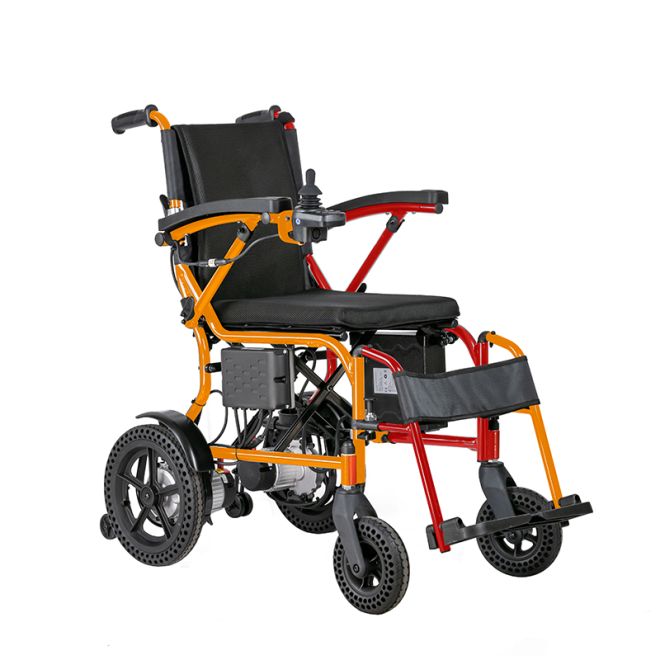
- 🦽 Understanding key wheelchair measurements: seat width, depth, and back height
- 📏 How to measure your body correctly for a comfortable wheelchair fit
- 🧍♂️ Choosing the right wheelchair size for different body types
- 🏠 Considering home, transport, and daily activities when deciding on wheelchair dimensions
- ⭐ Why Excellent provides reliable sizing options for long-term comfort and safety
- Conclusion
- Frequently Asked Questions about wheelchairs for sale
Picking a wheelchair size can feel like online clothes shopping: the model looks comfy, but you’re scared it’ll arrive tighter than skinny jeans or wider than your grandma’s old sofa.
This guide shows simple measurements, fit checks, and expert tips based on clinical wheelchair prescription research, so you can roll in comfort, not regret.
🦽 Understanding key wheelchair measurements: seat width, depth, and back height
Correct wheelchair sizing prevents pain, pressure sores, and poor posture. Focusing on seat width, depth, and back height helps users stay supported, safe, and independent.
These key measurements also affect how easily you move, turn, and transfer. A well-sized chair feels natural and responds smoothly to every push or control.
1. Seat width: enough space without sliding
Seat width is the distance across the seat from hip to hip. It should support your body without squeezing or letting you lean to one side.
- Measure the widest part of your hips or thighs while seated.
- Add about 1–2 inches for comfort and clothing.
- Too wide causes leaning; too narrow increases pressure.
2. Seat depth: support the thighs, protect the knees
Seat depth runs from the backrest to the front edge. It supports your thighs while keeping a small gap behind your knees for good blood flow.
- Measure from your back to the back of your knee.
- Subtract about 1–2 inches for a safe gap.
- Correct depth reduces sliding and pelvic tilt.
3. Back height: balance support and freedom of movement
Back height affects posture and shoulder movement. Some users need more trunk support, while active users prefer lower backs for easier pushing.
| Need | Back Height Guideline |
|---|---|
| High trunk support | Up to shoulder blades |
| Active self-propelling | Below shoulder blades |
4. Armrest and footrest height: align shoulders and hips
Armrest and footrest settings protect your shoulders, hips, and knees. They also help you sit upright without strain during long use.
- Armrests should allow relaxed shoulders and bent elbows.
- Footrests should keep hips and knees at about 90 degrees.
- Proper height reduces swelling and back pain.
📏 How to measure your body correctly for a comfortable wheelchair fit
Simple home measurements can guide you to the right wheelchair size. Use a firm chair, a tape measure, and another person for accuracy.
Write your numbers down and compare them with product sizing charts. This helps you avoid guesswork and costly returns.
1. Key body measurements to record
Focus on hip width, thigh depth, lower leg length, and back height. These measurements match directly with main wheelchair dimensions.
- Hip width (for seat width)
- Back of buttock to knee (for seat depth)
- Floor to back of knee (for seat height)
- Seat to shoulder (for back height)
2. Example sizing data comparison (visual guide)
The chart below shows sample user measurements and suggested seat widths. This gives a quick view of how body size influences chair sizing choices.
3. Common measurement mistakes to avoid
Errors in measurement can cause discomfort. Avoid guessing, measuring on soft cushions, or rounding numbers too much in either direction.
- Always sit upright with feet flat when measured.
- Use a hard, level surface under your body.
- Measure twice and note decimal values if needed.
4. When to seek professional assessment
Some users need extra help, especially with balance issues or pressure risks. A therapist or rehab specialist can fine-tune every dimension.
| Situation | Professional Help Needed? |
|---|---|
| History of pressure sores | Yes |
| Severe scoliosis or pelvic tilt | Yes |
| Basic daily use, no pain | Usually no, but helpful |
🧍♂️ Choosing the right wheelchair size for different body types
Different bodies need different seat sizes, cushions, and support levels. Matching body type to wheelchair size improves comfort, safety, and energy use.
Think about height, weight, muscle strength, and posture. The right size makes transfers easier and reduces strain on shoulders and back.
1. Petite and smaller-framed users
Smaller users often need narrower, shallower seats and lighter frames. This improves control and prevents sliding forward during movement.
- Seat width often 14–16 inches.
- Shorter seat depth to protect the knees.
- Lower back and armrest heights for proper elbow angle.
2. Average and athletic body types
Most adults fit standard sizes but may want sportier frames. Models like the 7003 Alloy Sports Wheelchair Ultralight CE ISO offer light frames and responsive handling.
- Seat widths often 16–18 inches.
- Adjustable footrests for leg length differences.
- Optional lower backrest for active propulsion.
3. Larger body types and higher weight capacities
Larger users need wider seats, stronger frames, and higher weight limits. This keeps posture stable and prevents early frame wear or damage.
| Need | Consideration |
|---|---|
| Higher weight | Check capacity and frame material |
| Extra width | Ensure door and hallway clearance |
| Longer legs | Extended footrest options |
🏠 Considering home, transport, and daily activities when deciding on wheelchair dimensions
Chair size affects how easily you move around your home, car, and community. Measure doors, ramps, and storage spaces before buying.
Think about how often you travel, fold the chair, and use lifts or public transport. Compact designs can save time and effort.
1. Home and indoor access
Check door widths, bathroom layouts, and turning spaces. A seat that is too wide may not pass through narrow halls or small rooms.
- Measure doorways and compare with overall chair width.
- Allow extra room for hand rims and hands.
- Consider tight corners in kitchens and bathrooms.
2. Vehicle transport and storage
If you travel often, folding or lightweight options may work better. The Next-Gen Ultra-Light Carbon Fiber Smart-Fold Electric Wheelchair - Portable Mobility Solution with Enhanced Accessibility folds fast and fits small trunks.
| Factor | Why It Matters |
|---|---|
| Folded size | Fits in car trunk or closet |
| Chair weight | Affects lifting and loading |
| Battery removal | Reduces lift weight for electric chairs |
3. Outdoor travel and community mobility
For longer outdoor trips, scooters and powered chairs reduce strain. The 4-Wheel Automatic Folding Mobility Scooter , 220lbs Capacity for Adults & Seniors with Limited Mobility offers good range and stable four-wheel design.
- Check curb cuts, ramp slopes, and ground surfaces.
- Plan turning radius for shops and elevators.
- Balance battery range with overall size and weight.
⭐ Why Excellent provides reliable sizing options for long-term comfort and safety
Excellent focuses on clear sizing, durable frames, and smart features. This helps users match body needs with safe, long-lasting mobility products.
With a range of manual, sports, and powered options, users can find a chair or scooter that fits both their body and lifestyle.
1. Wide range of adjustable models
Many Excellent chairs offer adjustable armrests, footrests, and back heights. This allows fine-tuning as your needs or posture change over time.
- Adaptable for growth or weight change.
- Better long-term comfort without full replacement.
- Supports evolving rehab goals.
2. Quality materials and tested capacities
Frames use strong alloys, carbon fiber, or reinforced steel. Clear weight ratings protect against failure and support safe daily use.
| Feature | Benefit |
|---|---|
| Light frames | Easier pushing and lifting |
| Tested load limits | Improved safety and durability |
| Certified standards | Reliable performance over years |
3. Support for first-time and experienced users
Sizing guides and expert advice help you choose correctly the first time. This lowers the risk of pain, returns, or costly adjustments later.
- Clear product charts for seat and frame sizes.
- Options for sports, daily living, and travel.
- Focus on posture, pressure relief, and independence.
Conclusion
Choosing the right wheelchair size starts with accurate body measurements and an honest look at your home and daily routines. Seat width, depth, and back height should match your body, not the other way around.
By using clear measurements, checking access points, and exploring adjustable Excellent models, you can secure long-term comfort, safe posture, and better independence every day.
Frequently Asked Questions about wheelchairs for sale
1. How do I know which wheelchair size I need?
Measure your hip width, thigh depth, lower leg length, and back height while seated. Compare these numbers with each product’s sizing chart before you buy.
2. What happens if my wheelchair is too wide?
A chair that is too wide can cause leaning, poor posture, shoulder strain, and trouble getting through narrow doors or tight indoor spaces.
3. Can I use one wheelchair for both home and travel?
Yes, if you choose a compact, lighter model with folding features. Make sure its overall width fits your doors and its folded size fits your vehicle.
4. How often should I review my wheelchair sizing?
Check your fit yearly or after major health, weight, or activity changes. If you feel new pain or sliding, re-measure and consider adjustments or a new model.
5. Are lightweight sports chairs safe for daily use?
Many sports chairs are safe for daily use if they meet your weight and stability needs. Confirm capacity, frame strength, and comfort before using them every day.



Building A, Software park,Shuyang City,Suqian,Jiangsu, China

