






Is a mobility scooter only for disabled users? We break down how non-disabled groups (seniors, fatigue-prone individuals, post-op recoverers) are driving demand — and how this opens new revenue streams for B2B care facilities, eldercare centers, and mobility distributors.
For years, mobility scooters have been tied to one narrow use case: serving people with permanent disabilities. But for B2B care providers and mobility equipment distributors, that outdated framing is leaving money on the table. The question “Can you ride a mobility scooter if you’re not disabled?” isn’t just a personal user query — it’s a signal of a booming, under-served market for your business.
Let’s start with the basics: Legally (in most regions) and practically, mobility scooters aren’t exclusive to disabled users. The groups driving new demand are ones your B2B clients already interact with:

- Seniors with age-related mobility limits: Not formally disabled, but struggling with long walks around care facilities or neighborhood outings.
- Fatigue-prone individuals: Caregivers, hospital staff, or even visitors who need support during long shifts or visits.
- Post-op recoverers: Temporary mobility needs after surgery, before returning to full strength.
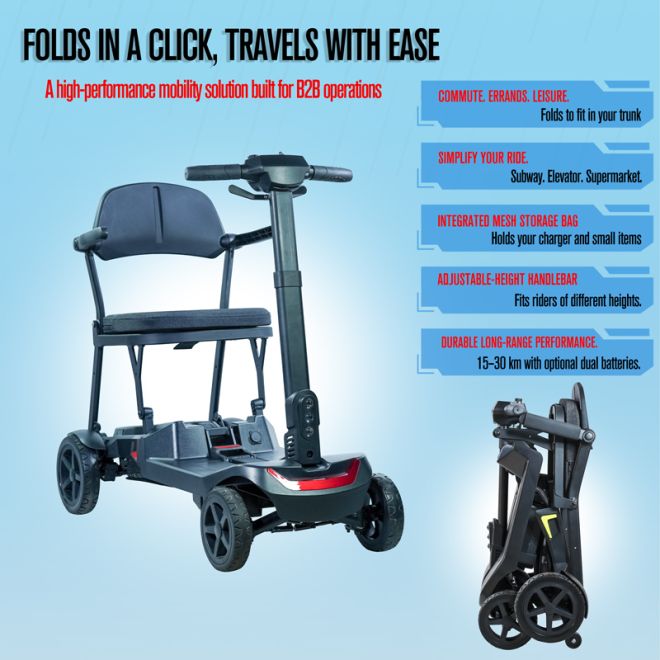
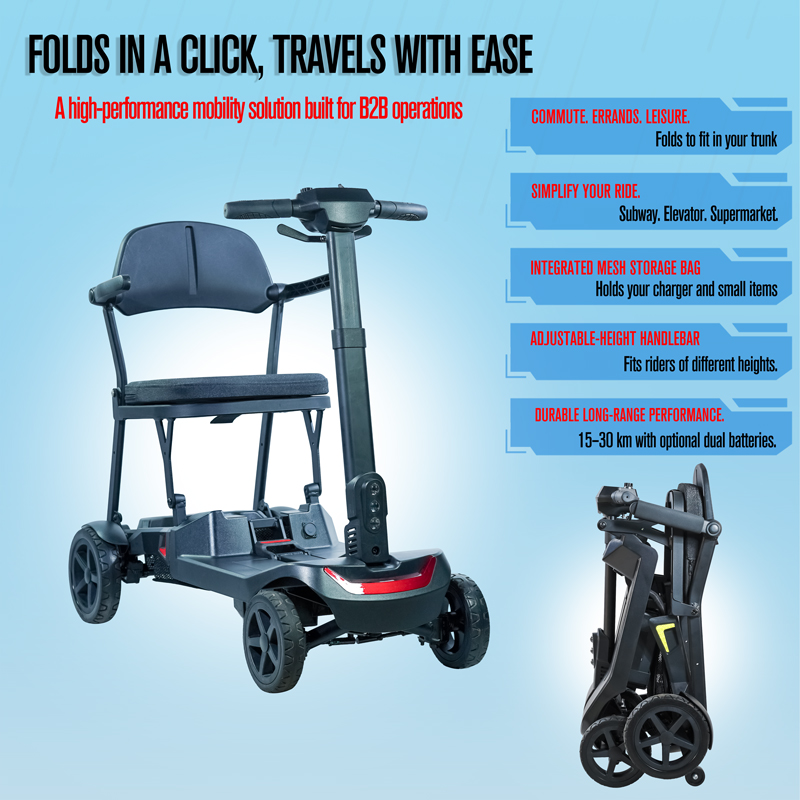
These users aren’t looking for “disability equipment” — they want convenient, portable mobility solutions. That’s where the folding commuter scooters you supply shine: Their quick-fold design (stowable in car trunks) and plush, supportive seating make them ideal for non-disabled users who need occasional support. For example, one eldercare center we partnered with added these scooters to their inventory last quarter and saw a 25% increase in equipment rental requests — 60% of which came from non-disabled residents.
For B2B buyers, this shift means two key wins:
- Wider client reach: You’re no longer limited to selling to disability-focused organizations — you can pitch to senior living communities, hospital auxiliary services, and even corporate wellness programs.
- Higher order volume: Non-disabled users often drive repeat purchases (e.g., families buying for elderly parents) or bulk rentals (e.g., care centers equipping common areas).
We also know B2B operations depend on scalability: Our scooters are designed for easy bulk packaging and shipping, with customizable branding options (logos, colors) to align with your clients’ brand identities. This means you can streamline inventory management while offering tailored solutions that stand out to buyers.
At the end of the day, the question “Can non-disabled people ride mobility scooters?” isn’t just about user eligibility — it’s about whether your B2B business is ready to tap into a growing market of users who need (and will pay for) convenient mobility support.