
.png)















Can I get a custom collapsible wheelchair from a supplier?

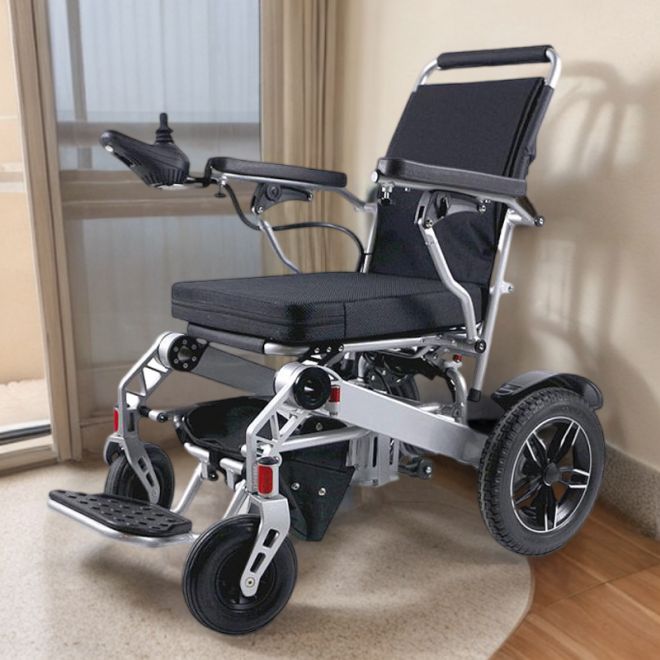
- Introduction to Custom collapsible wheelchairs
- Benefits of Custom Collapsible Wheelchairs
- Types of Custom Wheelchair Frames and Materials
- Personalization Options for Wheelchair Users
- Understanding the Insurance Process for Custom Wheelchairs
- Custom Wheelchair Solutions for Active Lifestyles
- Advanced Features in Custom Power Wheelchairs
- Choosing the Right Supplier for Custom Wheelchair Needs
- Financial Considerations for Custom Wheelchair Purchase
- Future Trends and Innovations in Wheelchair Customization
- Excellent Provide Solutions
Introduction to Custom collapsible wheelchairs
For individuals with mobility challenges, wheelchairs are an indispensable part of daily life. The evolution of wheelchair technology has made it possible for users to have customized collapsible wheelchairs, which offer both convenience and personalization. These wheelchairs are not just about mobility; they represent a significant advancement in user comfort and independence. This article addresses the options for obtaining custom collapsible wheelchairs from suppliers, focusing on the benefits, types, features, and industry insights.
Benefits of Custom Collapsible Wheelchairs
Enhanced Mobility and Convenience
Custom collapsible wheelchairs combine the utility of traditional wheelchairs with modern design enhancements. They offer improved mobility, ease of transport, and storage convenience. These wheelchairs are designed to fold easily, allowing users or caregivers to carry them in vehicles or store them in compact spaces.
Personalized Comfort and Support
Custom features include adjustable seating, specialized cushioning, and tailored support systems. This personalization leads to better posture, reduced pressure points, and increased comfort, which are vital for long-term wheelchair users.
Types of Custom Wheelchair Frames and Materials
Folding vs. Rigid Frames
Wheelchairs usually come in two primary frame types: folding and rigid. Collapsible models typically feature folding frames, which offer flexibility and ease of use. The choice between these options depends on the user's lifestyle and mobility needs.
Material Choices: Aluminum, Titanium, and Carbon Fiber
Frame material significantly impacts the weight and durability of wheelchairs. Most custom collapsible wheelchairs are made from aluminum, titanium, or carbon fiber. Aluminum is lightweight and affordable, while titanium offers greater strength with a marginal weight increase. Carbon fiber is the lightest and most durable but also the costliest.
Personalization Options for Wheelchair Users
Custom Fit and Aesthetic Choices
Customization options span from practical adjustments, like seat width and height, to aesthetic preferences, such as color and design patterns. Suppliers often offer a broad array of choices to meet individual tastes and functional needs.
Special Features and Accessories
Custom collapsible wheelchairs can be equipped with various accessories, including specialized wheels, power assists for easier propulsion, and modular seating systems. These enhancements are especially beneficial for users requiring additional support for their active lifestyles.
Understanding the Insurance Process for Custom Wheelchairs
Medical Necessity and Coverage
Insurance providers typically require proof of medical necessity to cover the costs of custom wheelchairs. This involves documentation from healthcare providers outlining the user’s specific needs.
Navigating the Claims Process
The claims process for obtaining insurance coverage can be complex. Suppliers often provide assistance in navigating these requirements, ensuring users receive the necessary documentation and justification for their custom equipment.
Custom Wheelchair Solutions for Active Lifestyles
Designs for Sport and Recreation
Custom collapsible wheelchairs aren't just for daily living; they can also cater to sports and recreational activities. These specialized designs are lightweight yet robust, allowing users to engage in activities like basketball, racing, and other sports.
Power Assist and Ultra-Lightweight Models
For users who require support beyond manual propulsion, power assist options are available. This technology can be integrated into ultralight models to provide enhanced mobility without compromising agility.
Advanced Features in Custom Power Wheelchairs
Control Systems and Adjustability
Custom power wheelchairs come with advanced control systems, allowing users to adjust speed, direction, and seat position with ease. These features are crucial for navigating various environments, from indoor spaces to rugged outdoor terrains.
Battery Life and Efficiency
Battery technology in power wheelchairs has improved significantly, offering longer usage times and efficient charging options. Custom models often include multiple battery choices to match the user's specific usage patterns and needs.
Choosing the Right Supplier for Custom Wheelchair Needs
Evaluating Supplier Capabilities
When selecting a supplier, it's important to evaluate their ability to provide fully customized solutions. Prospective buyers should consider the supplier's range of options, expertise in customization, and customer support services.
Wholesale and Factory Benefits
Some suppliers offer wholesale or factory-direct options, which can reduce costs while maintaining quality. This approach is advantageous for organizations or individuals looking to purchase multiple units.
Financial Considerations for Custom Wheelchair Purchase
Cost Analysis of Custom Features
The cost of a custom collapsible wheelchair can vary widely based on materials, features, and the extent of customization. Users should conduct a cost-benefit analysis to ensure their investment meets their mobility and lifestyle needs.
Financing and Funding Options
Financing options, including payment plans and grants, may be available to assist users in covering the costs. Engaging with suppliers who offer these solutions can ease the financial burden associated with obtaining a custom wheelchair.
Future Trends and Innovations in Wheelchair Customization
Technological Advances and Smart Features
Upcoming trends in wheelchair customization include the integration of smart technologies, such as IoT connectivity and advanced user interfaces. These innovations promise even greater personalization and convenience.
Eco-Friendly Materials and Sustainability
As sustainability becomes a growing concern, manufacturers are exploring eco-friendly materials and production methods. This shift not only reduces environmental impact but also introduces lighter, more durable products.
Excellent Provide Solutions
When considering custom collapsible wheelchairs, it is crucial to work closely with experienced suppliers who understand the intricacies of customization. Choosing a supplier who offers comprehensive support—from initial consultation to after-sales service—ensures that users receive a product that truly meets their needs. Additionally, exploring wholesale or factory-direct options can provide cost efficiencies, particularly for bulk purchases. By prioritizing a balance of performance, personalization, and pricing, users can achieve optimal satisfaction with their custom collapsible wheelchair.



Building A, Software park,Shuyang City,Suqian,Jiangsu, China

