
.png)















Best Small Indoor Electric Wheelchairs for Homes

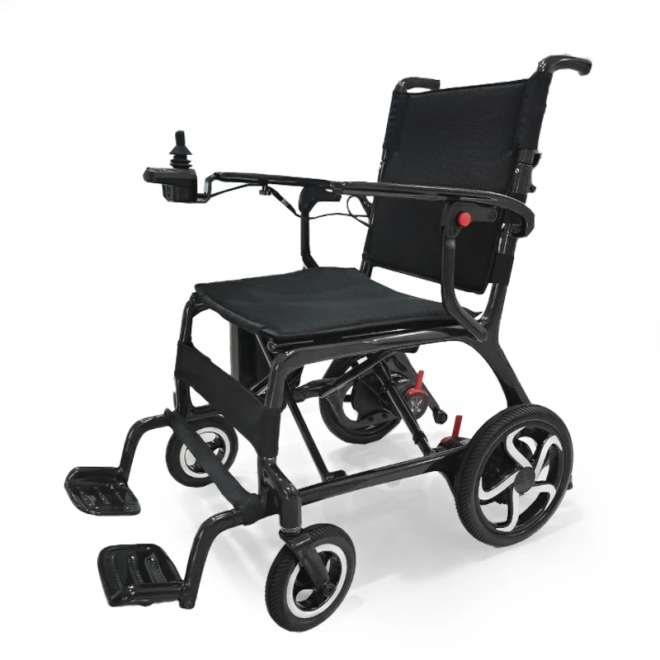
- 1. ♿ Key Features That Make Small Indoor Electric Wheelchairs Home-Friendly
- 2. 🏠 Maneuverability in Tight Spaces: Corners, Hallways, and Small Rooms
- 3. 🔋 Battery Life, Charging Safety, and Daily Use Convenience at Home
- 4. 🛋 Seat Comfort, Adjustability, and Posture Support for Long Indoor Use
- 5. ✅ Why Choosing Excellent Ensures Reliable Indoor Mobility for Your Home
- Conclusion
- Frequently Asked Questions about small electric wheelchair for indoors
Feel like your wheelchair keeps body‑checking furniture and terrorizing table legs at home? Let’s park the hallway bumper cars and find something that actually fits through the doorway on the first try.
The right small indoor electric wheelchair glides through tight spaces, protects your walls, and saves your shoulders. Research shows powered mobility boosts independence and quality of life (NIH Study), so choosing a compact model really matters.
1. ♿ Key Features That Make Small Indoor Electric Wheelchairs Home-Friendly
Small indoor electric wheelchairs must feel natural in your home. They should move smoothly through daily routines, protect walls and furniture, and stay easy to store.
Look for compact frames, quiet motors, and simple controls that help you move safely between rooms, sit at tables, and reach counters without stress.
1. Compact Size and Tight Turning Radius
Choose a chair with a narrow width and short length so it fits doors and hallways. A small turning radius lets you spin easily in kitchens and bedrooms.
- Width ideally under 60 cm
- Turns in narrow hallways
- Easy to park beside beds and sofas
2. Lightweight, Foldable Frames
Lightweight folding models store in closets or car trunks and work well for home, clinics, and travel. They reduce lifting strain for family and caregivers.
- Quick-fold frame design
- Lower total weight for transport
- Ideal for stairs and small apartments
3. Indoor-Friendly Tires and Motors
Non-marking tires protect floors, while quiet motors keep noise low. Smooth speed control prevents sudden jerks and improves safety near pets and children.
| Feature | Home Benefit |
|---|---|
| Non-marking tires | No floor streaks |
| Quiet motor | Peaceful indoor use |
| Soft start | Gentle takeoff |
4. Easy Controls for Daily Tasks
Simple joysticks and clear buttons make indoor navigation stress-free. You can stop quickly, adjust speed, and approach tables with confidence.
- Responsive joystick control
- Adjustable speed settings
- Clear on/off and battery indicators
2. 🏠 Maneuverability in Tight Spaces: Corners, Hallways, and Small Rooms
Indoor wheelchairs must handle narrow doors, sharp corner turns, and crowded rooms. Good maneuverability lowers collision risk and keeps you independent at home.
Check frame size, turning radius, and wheel placement so you move smoothly between living room, bedroom, kitchen, and bathroom.
1. Navigating Narrow Hallways
A slim frame and stable wheelbase let you pass through hallways without scraping walls. Adjustable speed helps you slow down in crowded areas.
- Reduced wall damage
- Safer night-time movement
- Less need for caregiver guidance
2. Turning in Small Rooms and Kitchens
A tight turning circle lets you rotate in bathrooms and near kitchen counters. You can line up with sinks, stoves, and fridges more easily.
| Turning Radius | Best Use |
|---|---|
| < 80 cm | Very small bathrooms |
| 80–90 cm | Standard bedrooms |
| > 90 cm | Large living rooms |
3. Data Insight: Maneuverability vs. User Satisfaction
The chart below illustrates how users often rate satisfaction higher when their indoor wheelchair has a smaller turning radius and compact size.
4. Indoor Use Cases: Apartments vs. Larger Homes
Apartment users often need ultra-compact chairs, while larger homes can use slightly wider frames. In both cases, precise control remains critical for safety.
- Apartments: very tight turns, small elevators
- Houses: ramps, open-plan rooms
- All homes: careful corner navigation
3. 🔋 Battery Life, Charging Safety, and Daily Use Convenience at Home
Good indoor wheelchairs use safe batteries, clear charging systems, and enough range for a full day of moving around your home.
Safe chargers and removable packs can simplify daily living and reduce downtime.
1. Choosing the Right Battery Capacity
Look for batteries that cover several indoor trips without frequent charging. Extra range helps when you move between floors or shared spaces.
- Plan for a full day of home use
- Check real-world indoor range
- Watch battery level indicators
2. Safe and Simple Home Charging
Use certified chargers, good ventilation, and grounded outlets. Avoid extension cords where possible and set a fixed charging spot in your home.
| Practice | Benefit |
|---|---|
| Dedicated outlet | Lower fire risk |
| Dry area | Better charger life |
| Clear cable route | No tripping hazards |
3. Removable Batteries and Backup Packs
Removable batteries let you charge away from the chair and keep a spare pack ready. This is helpful in shared homes or small apartments.
- Easy indoor charging on tables
- Quick swap for continuous use
- Less downtime during the day
4. 🛋 Seat Comfort, Adjustability, and Posture Support for Long Indoor Use
Comfortable seating reduces pain and pressure when you spend many hours indoors. Good support can improve mood and long-term health.
Adjustable parts help you match the chair to your body and daily tasks.
1. Cushioning and Pressure Relief
Quality cushions spread weight and lower pressure on hips and tailbone. This helps prevent soreness for users who sit for long periods.
- Breathable cushion covers
- Foam or air-cell designs
- Removable covers for cleaning
2. Adjustability for Daily Activities
Adjustable armrests and footrests help you reach tables, desks, and sinks comfortably. Proper height reduces strain on shoulders and back.
| Part | Adjustment Benefit |
|---|---|
| Armrests | Better table access |
| Footrests | Improved leg support |
| Back angle | Custom posture |
3. Posture Support for Long-Term Health
Good lumbar support and stable seating help keep your spine aligned. This reduces fatigue and makes indoor tasks more enjoyable.
- Upright, relaxed posture
- Less back and neck pain
- Better breathing comfort
5. ✅ Why Choosing Excellent Ensures Reliable Indoor Mobility for Your Home
Excellent Wheelchairs designs compact, foldable power chairs that suit modern homes. Their models focus on safety, comfort, and smooth indoor movement.
You can find options for personal, clinical, and business use, all designed for tight indoor spaces.
1. Specialized Indoor-Focused Designs
Products like the Lightweight Foldable Electric Wheelchair for Hospitals & Care Facilities offer compact frames that perform well in corridors, wards, and home hallways.
2. Travel-Friendly and Home-Ready Options
The EXC-2001C Lightweight Foldable Electric Wheelchair – Portable Travel Mobility Chair works for both indoor home use and trips, folding quickly for car or train travel.
3. Medical-Grade Solutions for Care Providers and Families
The Lightweight Foldable Electric Wheelchair for B2B | Portable Medical-Grade Power Wheelchair with Removable Battery suits clinics and home-care agencies that require certified, safe indoor mobility.
Conclusion
Choosing the best small indoor electric wheelchair means checking size, turning ability, battery safety, and seating comfort. A well-matched chair protects your home and supports daily life.
By looking at compact designs, removable batteries, and strong posture support, you can create safer, easier movement in every room of your house.
Frequently Asked Questions about small electric wheelchair for indoors
1. What width is best for an indoor electric wheelchair?
Many homes work well with chairs under 60 cm wide. Measure your narrowest door and hallway, then choose a model that clears these spaces with room to spare.
2. How long should the battery last for indoor use?
Most users need enough range for a full day at home, which often means 8–15 km of rated range, depending on your layout and activity level.
3. Can I use an indoor wheelchair outside?
You can use many indoor chairs on smooth outdoor paths, but they may struggle on rough ground. Check tire type, motor power, and ground clearance.
4. How do I keep my floors from getting damaged?
Choose non-marking tires and keep them clean. Drive at lower speeds indoors, avoid sudden turns on delicate flooring, and wipe wheels after going outside.
5. Do foldable electric wheelchairs lose stability indoors?
Good foldable models stay stable thanks to strong frames and balanced wheelbases. Always follow the weight limit and avoid steep ramps or risky angles.



Building A, Software park,Shuyang City,Suqian,Jiangsu, China

